A Closer Look at the Political, Religious, and Criminal Landscape of the Andean Nation
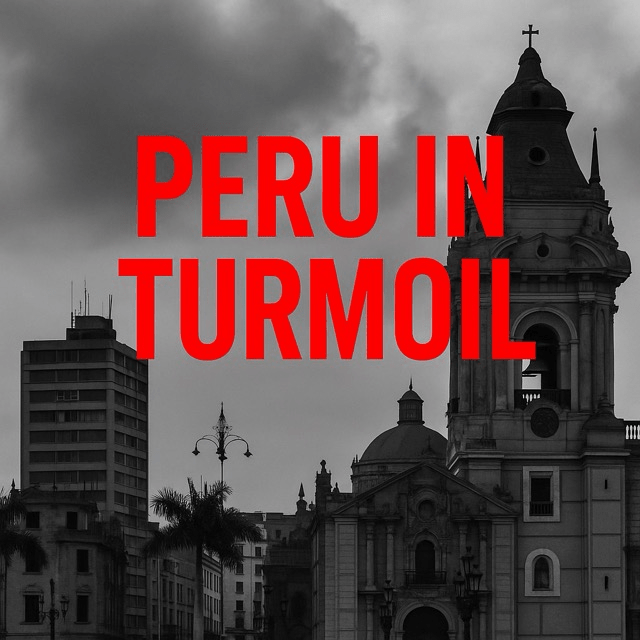
Peru, a country rich in culture and natural resources, is currently facing a complex and volatile situation that affects its political, religious, and criminal spheres. While the nation continues to draw tourists and investors with its breathtaking landscapes and mineral wealth, internal conflicts and institutional weaknesses have cast a shadow over its recent development.
Political Landscape
In recent years, Peru has seen significant political instability. Since 2016, the country has cycled through multiple presidents, often due to impeachment or corruption scandals. The current political crisis intensified after the 2022 ousting of President Pedro Castillo, whose attempt to dissolve Congress led to his arrest and a surge of civil unrest. Dina Boluarte, Castillo’s successor, assumed power amid nationwide protests, especially in southern regions, where indigenous communities feel marginalized by Lima-based elites.
Peruvian democracy remains fragile, with trust in governmental institutions at a historic low. Corruption investigations continue to entangle current and former leaders, eroding public confidence. Frequent clashes between the executive and legislative branches hinder effective governance and delay much-needed reforms.
Religious Influence
Religion remains a strong force in Peruvian society, where the majority of the population identifies as Roman Catholic. The Catholic Church plays a key role in social life, education, and even politics. However, the influence of Evangelical Christian denominations has grown in recent decades, particularly in rural and low-income urban areas.
Religious leaders are often vocal in political discourse, especially concerning issues like abortion, LGBTQ+ rights, and indigenous rituals. While religion can provide a moral compass and social support, its entanglement with politics sometimes stokes division rather than unity.
Crime and Security Challenges
Crime has become an escalating concern, particularly in urban areas such as Lima and Callao. Organized crime groups involved in drug trafficking, illegal mining, and extortion pose a serious threat to public security. The Peruvian police and judiciary struggle with underfunding and corruption, which further complicates efforts to curb criminal activities.
In border areas, especially near Colombia and Brazil, drug cartels and illegal loggers exploit weak governance. Human trafficking and femicide are also on the rise, drawing condemnation from human rights organizations. Although Peru has made some progress with regional anti-crime alliances, enforcement remains uneven and often reactive rather than preventive.
Conclusion
Peru stands at a crossroads. While it holds enormous potential through its youth, natural wealth, and cultural heritage, it must address deep-rooted political dysfunction, religious polarization, and growing insecurity. Without structural reforms and a renewed social contract, the country risks further destabilization and social fragmentation.


 The Tower Post