Navigating Power, Reform, and Regional Tensions in Southeast Asia
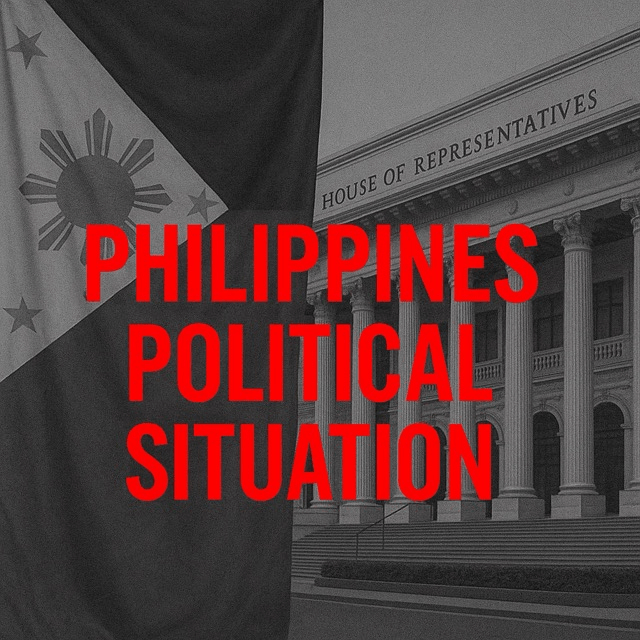
As of 2025, the political landscape in the Philippines remains a complex and dynamic arena, marked by evolving alliances, policy reform efforts, and mounting regional pressures. The nation’s democratic institutions continue to operate under the legacy of strongman politics, while current leadership navigates both domestic and international challenges.
Post-Duterte Governance
The presidency of Ferdinand “Bongbong” Marcos Jr., son of former dictator Ferdinand Marcos, has stirred both optimism and skepticism across the political spectrum. Elected in 2022, Marcos Jr. positioned himself as a unifier, attempting to move beyond his family’s controversial past while upholding aspects of the populist policies initiated by his predecessor, Rodrigo Duterte.
While Marcos Jr. has moderated the rhetoric that defined Duterte’s administration, especially regarding the brutal anti-drug campaign, human rights groups remain wary of ongoing abuses and the slow pace of judicial reform. His administration has focused on infrastructure development and economic modernization under the “Build Better More” initiative, while striving to attract foreign investment in renewable energy and technology sectors.
Political Institutions and Opposition
Despite being a democracy, the Philippines’ political system continues to struggle with entrenched dynasties, weak party structures, and widespread patronage politics. Opposition parties remain fragmented, and efforts to build a cohesive alternative to the current administration have yet to gain significant traction.
However, civil society remains active, with grassroots movements advocating for press freedom, environmental protection, indigenous rights, and more transparent governance. Recent local elections have seen a rise in independent and youth-led candidates, signaling a potential shift in political engagement at the regional level.
Regional Security and Foreign Policy
In terms of foreign policy, the Philippines is reasserting its strategic importance in the Indo-Pacific region. Marcos Jr. has taken a firmer stance against China’s incursions in the South China Sea, reviving defense cooperation with the United States and expanding joint military exercises. These moves have bolstered relations with traditional allies but have also escalated tensions with Beijing.
ASEAN dynamics remain crucial, as the Philippines balances regional diplomacy with growing nationalist sentiment at home. Energy exploration rights, maritime sovereignty, and defense procurement dominate the foreign policy agenda, making the country a focal point in broader power struggles between major world powers.
Outlook
Looking ahead, the political situation in the Philippines is one of cautious transition. While the current administration attempts to combine modernization with stability, deep-rooted structural issues and regional security tensions pose ongoing risks. The role of young voters, the influence of civil society, and the direction of foreign policy will likely determine whether the country can forge a more inclusive and resilient democratic path.


 The Tower Post