NATO Secret Files Reveal Fears Over Resource Conflicts in the 21st Century
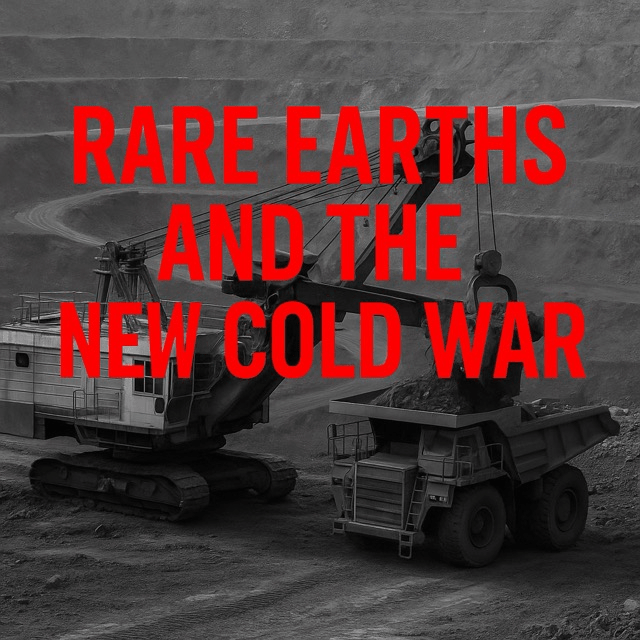
Amid rising global tensions, NATO secret documents recently leaked to investigative journalists have revealed growing concern among member states over the geopolitical implications of rare earth element (REE) dependency. These critical materials, essential for manufacturing everything from smartphones to advanced military hardware, are increasingly viewed not only as economic assets but as strategic tools that could fuel future conflicts.
Strategic Significance of Rare Earths
Rare earth elements, despite their name, are not particularly rare but are difficult and environmentally costly to extract. China currently dominates the global supply chain, controlling over 60% of production and refining. This monopoly has allowed Beijing to wield influence over high-tech industries and the defense sectors of NATO countries. The NATO files warn that disruptions in access to rare earths could critically impact military readiness and technological sovereignty.
The documents outline scenarios in which access to rare earths becomes a trigger for international standoffs. One high-risk projection even suggests that Western nations might be forced to intervene militarily in African or South American countries should China or Russia seek exclusive extraction rights through coercion or covert operations.
The Geopolitical Chessboard
Control of rare earths is becoming a central piece in a new global chess game. The leaked NATO briefings emphasize how Russia has begun investing heavily in rare earth exploration in Siberia and the Arctic, with military protection for infrastructure projects. Simultaneously, China has secured long-term contracts in countries like the Democratic Republic of Congo and Myanmar, often in exchange for strategic political support.
This scramble for critical minerals is not unlike the oil politics of the 20th century. The files caution that without coordinated Western strategies—including joint stockpiles, diversified mining partnerships, and tech innovation to reduce REE dependency—nations could face a return to resource-driven conflicts reminiscent of past proxy wars.
NATO’s Contingency Planning
In response to these threats, NATO has developed contingency strategies that include securing supply chains through strategic partnerships with Australia, Canada, and Greenland, and boosting domestic extraction in the U.S. and EU. However, the documents also express doubt about the speed and feasibility of these efforts, particularly given environmental opposition and lengthy regulatory procedures.
The files suggest that NATO should prepare for “resource security operations” in high-risk zones. These may involve rapid deployment units to stabilize areas with contested rare earth reserves or cyber operations to disrupt adversarial logistics and contracts.
Conclusion
The emerging battle over rare earths could define the security architecture of the 21st century. As NATO and its allies seek to reduce dependency and prepare for possible confrontations, the global competition over these strategic resources could become a flashpoint for new conflicts. The time for coordinated policy, technological innovation, and diplomatic foresight is now, before the race for rare earths turns hot.



 The Tower Post