A Surprisingly Convenient Companion on the Road

For years, weekend bike rides have been a sacred escape for me, a chance to melt away the stressors of the week and connect with nature. However, I’ve learned the hard way that bringing too much gear can take away from the experience, forcing me to manage a network of pings and battery levels instead of just riding. That’s where the Ray-Ban Meta smart glasses come in – a device that has simplified and enhanced my weekend rides.
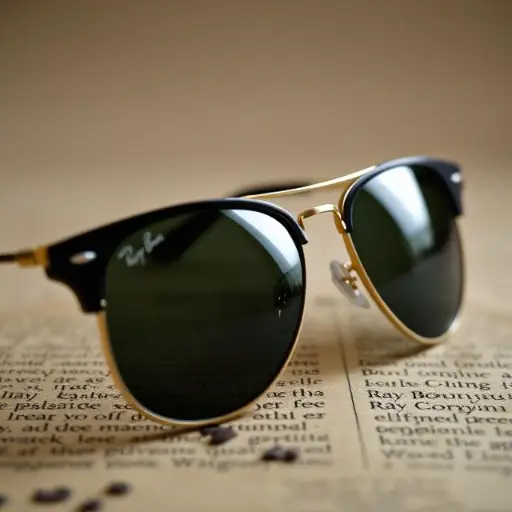
The Ray-Ban Meta glasses are more than just a pair of smart sunglasses; they’re a solid pair of Ray-Ban’s iconic Wayfarer style with transition lenses and a clear plastic body. They work well for bike rides, protecting my eyes from the sun, dirt, and pollen, and sit comfortably under a bike helmet – although not perfectly. The killer feature, however, is the camera that sits above each eye, allowing me to grab photos and videos of my surroundings just by pressing a button on the top right corner of the frames.
While the camera isn’t amazing, it’s pretty good, and I’ve found myself capturing moments I wouldn’t have otherwise. The feature I use the most, however, is the open-ear speakers in the arms of the glasses, which allow me to listen to podcasts and music without blocking out the noise of people, bikers, and cars around me. The audio quality is surprisingly good, and I’ve found myself chatting with Meta’s AI assistant on my weekend rides.
I’ve used the AI feature to ask questions about the nature I’m seeing, such as “Hey, Meta, what kind of tree is this?” or the origins of historic buildings. I’ve found these short queries to be engaging and have stoked my curiosity about the world around me without sucking me into a rabbit hole of content and notifications. The greatest thing about these features is that they all come in one device, making it easier to manage my ride.
However, the Ray-Ban Meta glasses have some limitations. They clearly weren’t designed with biking in mind, and often fall down my nose during a bumpy ride. The thick frames block my view when I’m bent over on the bike, and there are some issues with how they work with other apps. While I love taking photos and pausing music with the glasses, for anything else, my phone has to come out of my pocket.
Meta’s AI assistant also has some room for improvement. The voice AI is not as impressive as other voice AI products, and its answers are less reliable. I tested the live video AI sessions, which were a hallucinated hot mess. The glasses described a modern Ford Bronco as a vintage Volkswagen Beetle, and confidently told me that a 1980s BMW was a Honda Civic.
Despite these limitations, I see potential in the Ray-Ban Meta glasses. With a few key upgrades, I could see how wearing them on a ride would be a joy. The Ray-Ban Meta glasses are one of the most convincing AI devices I’ve seen yet, and I’m excited to see how they’ll evolve in the future.