Discover the Best Places to Dive into Britain’s Thriving Marine Habitat
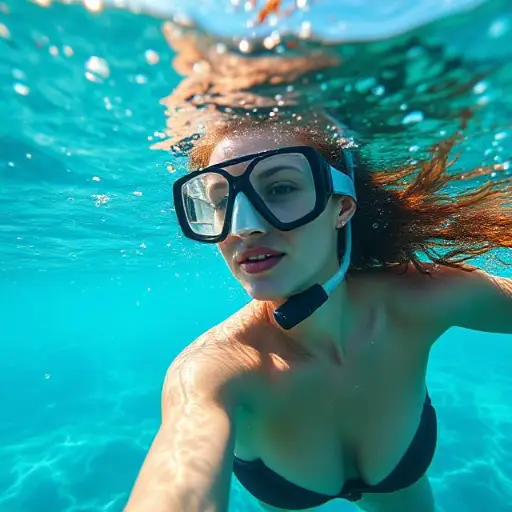
The UK’s coastline is a treasure trove of marine life, with a staggering array of species and habitats that are just waiting to be explored. From the crystal-clear waters of Cornwall to the rugged shores of Scotland, there are countless snorkeling spots that offer a glimpse into the underwater world of Britain. In this article, we’ll take you on a journey to the top 10 snorkeling spots in the UK, where you can discover the secrets of the ocean and experience the thrill of snorkeling in some of the most beautiful and diverse marine environments in the world.
In Cornwall, Treyarnon tidal pool is a must-visit destination for snorkelers of all levels. This natural pool is perfect for families, with its shallow waters and abundance of marine life, including sea lochs, sheltered bays, and even the occasional shark or seal. The nearby beach is bustling with activity, but the tidal pool remains a tranquil oasis, where you can relax and observe the wonders of the underwater world.
Further north, in Dorset, Chesil Cove is a snorkeler’s paradise. This 18-mile stretch of shingle beach is exposed to the full force of the Atlantic Ocean, making it a challenging but rewarding spot for experienced snorkelers. The waters are crystal clear, and the marine life is incredibly diverse, with species such as bass, wrasse, and even the occasional john dory.
In East Sussex, Eastbourne pier is a popular spot for snorkelers, with its calm waters and abundance of marine life. The pier pilings are covered in barnacles, mussels, and sea lettuce, providing a perfect habitat for starfish, crabs, and dog whelks. The regular presence of fishers on the pier suggests that this site also attracts its fair share of fish, making it a great spot for those looking to catch a glimpse of the ocean’s inhabitants.
As we journey north to North Yorkshire, we come to Boggle Hole, a spot that is often overlooked by snorkelers. However, in calm conditions, this spot offers a glimpse into a world of marine life that is teeming with activity. The shoreline is laced with ledges of exposed rock that provide a habitat for smaller marine life, such as blennies, gobies, and smaller crabs.
In Northumberland, Charlie’s Garden is a unique snorkeling spot, with its distinctive sandstone sea stack sitting on the tidal foreshore of Collywell Bay. This spot is perfect for rockpooling at lower tides, and the rock is home to a wide variety of marine life, including barnacles, limpets, gobies, and blennies. Seals are also known to visit the bay, making it a wonderful spot for those looking to catch a glimpse of these majestic creatures.
In East Lothian, the Scottish Seabird Centre is a great place to get your fill of nature, both above and below the waves. The centre is a conservation and education charity that also operates as a visitor attraction, and it’s a brilliant spot for snorkelers. For beginners and younger marine explorers, the neighbouring tidal pool is a great place to start, while more experienced snorkelers can head to the rocky gullies of the headland.
In Aberdeenshire, High Shore Beach is a great day out for marine life enthusiasts, with its recently refurbished aquarium and stunning snorkeling opportunities. The town of Macduff is home to both the aquarium and the beach, which features in one of the Scottish Wildlife Trust’s snorkel trails. The beach is lined with rocky fingers that project into the sea, forming a series of parallel reefs and a maze of kelp-filled gullies packed with life.
In Wester Ross, Gruinard Bay is a snorkeling spot that is not to be missed. The approach to the bay from the south is spectacular, and at the lowest of tides, the beaches are joined, but the incoming waterline soon makes it impossible to move between them without getting wet. The best snorkeling is at the northernmost end of the beach, around a small islet just off the shore, where rocky reefs and seagrass meadows provide excellent shelter for various fish and shellfish.
In Ynys Môn, Porth Castell is a small bay that’s sheltered from the open sea by a large offshore island. This fortuitous natural layout provides a wealth of snorkeling opportunities around the rocky reefs that surround the island and run up the bay edges. Arrive at high-ish tide and you can swim through a magnificent narrow gully on the left-hand side of the bay, between the shore and the island.
Finally, in Devon, Rockham Bay is a quiet spot that’s perfect for those looking to get away from the well-worn tourist spots. The bay is an excellent example of the stratified rock formations that typify this stretch of the north Devon coastline. The remains of the steamer ship SS Collier are strewn over the intertidal rock, making it a fascinating spot for snorkelers.
As we conclude our journey to the top 10 snorkeling spots in the UK, it’s clear that there’s no shortage of incredible destinations to explore. Whether you’re a seasoned snorkeler or just starting out, there’s something for everyone in this list. So why not grab your mask and fins and head out to discover the secrets of the ocean? Just remember to snorkel safely and responsibly, and always respect the marine environment.
How to Snorkel Safely
Snorkeling comes with risks that should be considered when planning your adventure. Here are 10 safety tips to keep in mind:
Assess your fitness to snorkel before getting in the water
Consider undertaking formal snorkeling qualifications
Always snorkel with a “buddy”
Know how to use your kit and ensure it’s in good condition
Assess the site and conditions before entry
Regularly monitor your position in the water
Use a swim buoy so that boats can easily see you
Never swim into underwater structures or caves while snorkeling
Get out of the water before you feel cold, and especially before shivering
Immediately leave the water if you feel excessively fatigued or short of breath
And just as important as your own safety is that you don’t cause harm to the eco-systems you’re exploring. Here’s how to snorkel without doing any damage:
Follow the Department for Environment, Food and Rural Affairs’s marine and coastal wildlife code
Avoid damaging habitats: refrain from stepping on, touching, or holding on to coastal habitats or species
Dispose of litter responsibly
Use eco-friendly products such as sun cream that’s compatible with the marine environment and, ideally, invest in swimwear that’s been produced by sustainable means
Respect marine life, particularly when snorkeling among seals and seahorses, which should not be disturbed.




 The Tower Post