A Historic Step Toward Reconciliation in South Asia
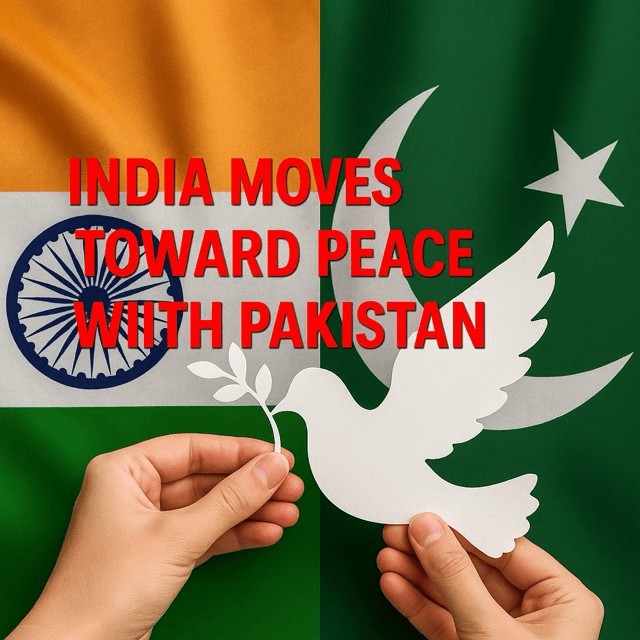
In a dramatic shift from decades of hostility and mistrust, India and Pakistan are taking unprecedented steps toward establishing lasting peace. In recent weeks, both governments have made public overtures that suggest a new chapter in bilateral relations may be opening between the two nuclear-armed neighbors.
Prime Minister Narendra Modi and Pakistani Prime Minister Shehbaz Sharif have signaled a willingness to restart comprehensive dialogue—a process that has remained frozen since the 2019 Pulwama terror attack and subsequent Balakot airstrikes. The two leaders exchanged formal messages earlier this year, facilitated in part by quiet diplomacy conducted by backchannel negotiators in Dubai and Doha.
At the heart of this peace initiative lies a shared recognition of the socio-economic cost of prolonged conflict. Both nations, grappling with post-pandemic economic recovery, inflation, and climate challenges, are rethinking their regional priorities. For India, reduced tensions with Pakistan could open new trade corridors to Central Asia. For Pakistan, easing military expenditures could allow more investment in domestic development and infrastructure.
Recent confidence-building measures include a renewal of the 2003 ceasefire agreement along the Line of Control (LoC) in Kashmir, discreet intelligence cooperation on cross-border militancy, and the potential resumption of people-to-people initiatives such as religious pilgrimages and cultural exchanges. Notably, both countries have also expressed openness to third-party mediation on technical issues, such as water sharing under the Indus Waters Treaty.
The international response has been cautiously optimistic. The United States, European Union, and China have welcomed the efforts, urging both countries to remain committed to peaceful engagement. The United Nations Secretary-General praised the move as “a beacon of hope in a world fraught with geopolitical confrontation.”
However, deep-seated issues remain. The dispute over Jammu and Kashmir, decades of mutual distrust, and strong nationalist sentiments on both sides pose significant obstacles. Skeptics warn that without broad-based public support and institutional guarantees, any diplomatic thaw may prove short-lived.
Civil society in both countries is playing a vital role in this moment. Artists, journalists, academics, and business leaders have rallied behind the prospect of peace, highlighting shared cultural heritage and economic interdependence. Online campaigns advocating for visa liberalization and cross-border collaboration have gained momentum.
As the world watches with cautious hope, the path forward will depend on sustained political will and a genuine desire to break the cycle of hostility. While the road to reconciliation is long and fraught with complexity, the current moment offers a rare opportunity for transformation. Peace between India and Pakistan would not only stabilize South Asia but also send a powerful message that diplomacy can prevail over division.


 The Tower Post