Exploring the Future of International Governance and Geopolitical Alignments
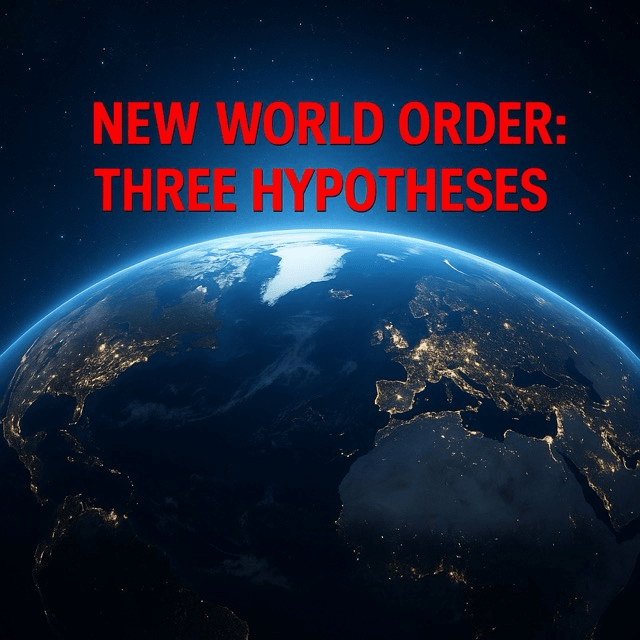
As the world navigates a post-pandemic recovery, technological transformation, and shifting geopolitical alliances, the idea of a “New World Order” has re-emerged with vigor in academic, political, and economic discourse. The term, historically laden with controversy and conspiracy, is now being reevaluated through the lens of strategic forecasting and policy planning. This article outlines three prominent hypotheses for how a new global order may take shape over the next decade.
**Hypothesis 1: Multipolarity Takes Hold**
The first and perhaps most plausible hypothesis is the rise of a truly multipolar world. With the United States, China, the European Union, India, and regional power blocs such as ASEAN and the African Union all asserting influence, global leadership may become decentralized. In this model, no single nation or ideology dominates. Instead, a dynamic balance of power ensures that regional interests hold significant sway in global decision-making.
This version of the world order could foster a more equitable distribution of influence, allowing countries in the Global South to exert greater control over trade, energy, and security matters. It also increases the risk of regional rivalries escalating into conflict due to the absence of a dominant stabilizing force.
**Hypothesis 2: Technocracy and Corporate Sovereignty**
A second hypothesis posits that multinational corporations and technology giants will assume de facto governance roles, often surpassing the power of traditional nation-states. With their control over data, infrastructure, AI, and even private currencies, tech conglomerates could become global stewards of innovation, security, and even diplomacy.
Under this model, the future may resemble a form of digital feudalism—where citizenship is defined not by nationality but by platform loyalty. Critics argue that such a shift could threaten civil liberties and democratic accountability, while proponents highlight its efficiency and adaptability in crises.
**Hypothesis 3: Authoritarian Spheres of Influence**
The third hypothesis suggests a return to Cold War-style bloc politics, but with more players. China, Russia, Iran, and their allies could coalesce into an authoritarian axis that challenges the liberal democratic order led by the U.S., EU, and their partners. These blocs would not only compete in military and economic terms but also in information warfare, ideological influence, and technological standards.
This scenario risks deepening global divisions and weakening international institutions such as the United Nations. However, it also could create clearer lines of engagement and containment, reducing the ambiguity that often leads to miscalculation in international relations.
**Conclusion**
While none of these hypotheses is mutually exclusive, each presents a distinct trajectory for global governance and power dynamics. Whether the future resembles a balanced multipolar system, a tech-dominated digital order, or fragmented spheres of ideological influence, it is clear that the traditional post-WWII liberal framework is under intense strain.
As global leaders convene at summits, and citizens engage more critically with international issues, the question is not whether a new world order is coming—but what shape it will take.
 The Tower Post