Ankara’s Diplomatic Revival Amid Geopolitical Turmoil
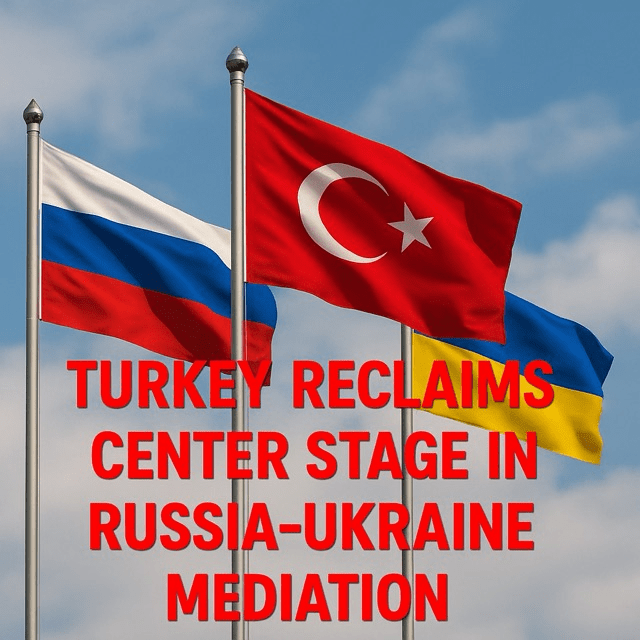
As the war in Ukraine drags into its third year, a familiar actor is stepping back into the spotlight: Turkey. With its unique geographical position straddling Europe and Asia and its complex relationships with both Moscow and Kyiv, Ankara is increasingly seen as one of the few players capable of mediating a path toward de-escalation.
Turkish President Recep Tayyip Erdoğan has long pursued a foreign policy of strategic balance, maintaining ties with Russia while also upholding NATO commitments. During the early phases of the war, Turkey played a key role in brokering the Black Sea Grain Initiative, a landmark agreement that allowed Ukrainian grain exports to continue despite the naval blockade. Though the deal eventually collapsed in mid-2023, it showcased Ankara’s ability to act as a credible intermediary.
Now, with renewed diplomatic overtures and back-channel communications, Turkish diplomats are quietly working to revive talks between Ukraine and Russia. This comes at a time when many Western efforts at negotiation have stalled or been outright rejected by Moscow. Turkey’s relative neutrality and strategic leverage make it an attractive venue for dialogue.
Furthermore, Erdoğan’s recent visits to both Moscow and Kyiv suggest that Ankara is laying the groundwork for a possible peace summit. Turkish officials have reportedly proposed hosting preliminary talks in Istanbul, invoking the historical role the city has played as a bridge between East and West. While skepticism remains—especially among European allies wary of Erdoğan’s authoritarian tendencies—the international community appears more willing to explore all avenues of resolution as the humanitarian toll of the conflict grows.
Turkey’s motivations are not purely altruistic. Economic pressures, domestic political calculations, and regional security concerns all factor into Ankara’s renewed push for diplomacy. The war has disrupted energy supplies, refugee flows, and trade routes—issues that directly affect Turkish national interests.
Still, Turkey’s resurgence in the diplomatic arena represents a rare glimmer of potential progress in a deeply entrenched conflict. While a comprehensive peace remains elusive, Ankara’s efforts may help open channels for ceasefires, humanitarian aid, and future negotiations. Whether these efforts can yield concrete results remains to be seen, but Turkey’s central role in this evolving geopolitical theater is undeniable.


 The Tower Post