Chasing Australia’s Elusive Bioluminescent Creatures
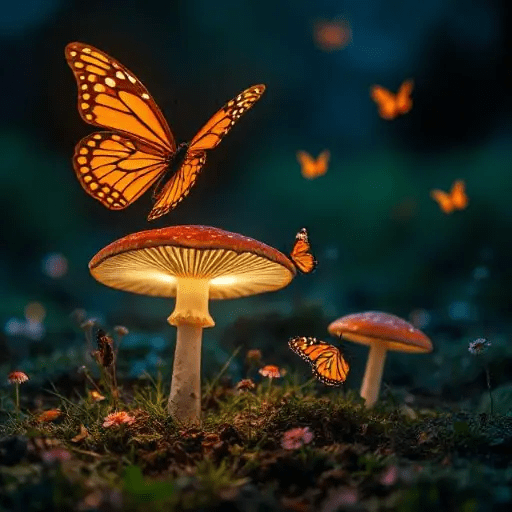
Deep in the heart of Australia’s Illawarra region, a world of glowing wonders awaits those brave enough to venture into the night. For David Finlay, a transport manager by day and ghostbuster by night, the thrill of the hunt is all about tracking down the country’s most elusive bioluminescent creatures.
Finlay’s passion for bioluminescence began years ago, when he stumbled upon a colony of glow worms in a remote corner of the Illawarra Escarpment. Since then, he has dedicated himself to exploring the region’s unique microclimate, where low light pollution, ample rainfall, and high humidity create an ideal environment for these creatures to thrive.
From the electric blue glow of sea sparkles to the eerie green radiance of ghost fungi, Finlay has seen it all. But for him, the real magic lies in the tiny creatures that light up the dark – the glow worms and fireflies that pierce the night sky like tiny lanterns.
“These natural phenomena are notoriously unpredictable and fickle to find,” Finlay explains. “But for a growing number of glow seekers, the challenge is part of the adventure.”
Finlay’s ad hoc glow tours, which he posts on his Facebook page when available, have become a sensation in the region. Last year, a few hundred places sold out in a flash, with 25,000 people vying to secure a spot.
However, with the increasing popularity of bioluminescence comes a delicate balance between education and conservation. Finlay is careful to educate visitors about the importance of preserving these habitats, and warns them about the dangers of disturbing the creatures.
“For a lot of people, it’s like finding gold, and nobody will tell you where they find the gold,” Finlay says. “But it’s a delicate balance between educating visitors and conserving these habitats.”
The “Black Summer” bushfires of 2019-20 had a devastating impact on bioluminescent creatures, wiping out colonies in national parks across Australia. Finlay is passionate about raising awareness about the importance of protecting these habitats, and encourages visitors to teach others about responsible viewing practices.
“A golden rule is to look but not touch,” Finlay warns. “So much as holding a glow worm in the palm of your hand will kill them. Bright flashing lights or even breathing too close can trigger them to shut down and disrupt their feeding patterns.”
For those who want to experience the magic of bioluminescence, Finlay suggests bringing a friend on a night adventure and keeping a safe distance from the creatures. He also recommends visiting during the right season – glow worms can be found year-round, while fireflies glimmer for a short window in late spring/summer (November to February).
As I join Finlay on a night tour of the Illawarra Escarpment, I am struck by the sheer beauty of the bioluminescent creatures. We trek through a path that cuts through towering eucalypt trees, our head torches glowing red to cause minimal disturbance to wildlife. The full Moon pilots us forward, guiding our footsteps towards the waterfall.
As we scramble down the embankment towards the mouth of the waterfall, I catch sight of dozens of glow worms, their tendrils of silky web dripping down like strings of pearls. It’s a fairy grotto, a twinkling Christmas light display, and a reminder of the magic that lies just beyond our doorstep.
For Finlay, the thrill of the hunt is all about tracking down these elusive creatures, and sharing their beauty with the world. As we retreat back through the bush to the clearing, I am left with a newfound appreciation for the natural world, and a sense of wonder that will stay with me long after the night is over.




 The Tower Post