As nationalist and conservative parties gain ground across Europe, the EU faces new questions about its future direction, identity, and cohesion.
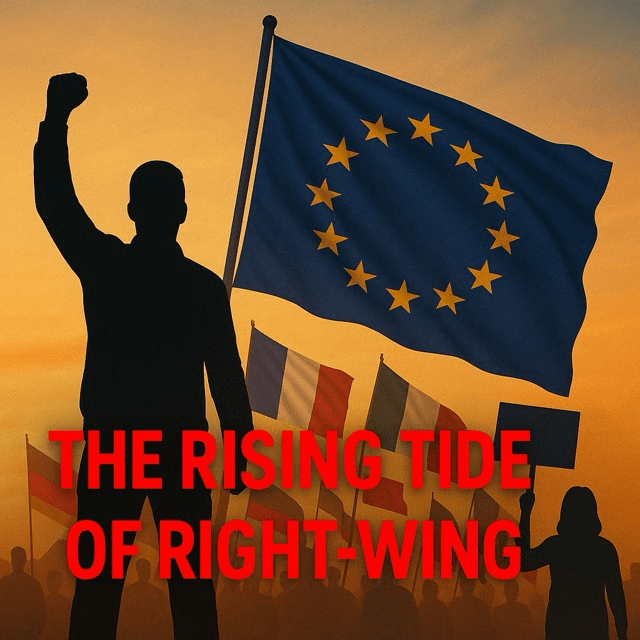
In the past decade, the political landscape of the European Union has experienced a significant shift. Right-wing parties—often nationalist, populist, and skeptical of EU integration—have gained momentum in national elections and European Parliament seats. This political transformation has sparked intense debate over the future of European unity, immigration policies, and the EU’s democratic values.
A Growing Political Force
From France’s National Rally to Italy’s Brothers of Italy, Hungary’s Fidesz, and Poland’s Law and Justice party, right-wing movements are no longer fringe actors. They have become influential players shaping policy and political discourse. In countries such as Sweden, Finland, and Austria, similar forces are making electoral gains, appealing to voters concerned about immigration, economic insecurity, and a perceived erosion of national identity.
These parties often share core themes: strict immigration control, Euroscepticism, cultural traditionalism, and criticism of globalization. They claim to represent the “silent majority” and frame themselves as defenders of sovereignty against a bureaucratic and elite-driven EU.
The Role of Migration and Economic Discontent
One of the most potent catalysts for the right-wing surge has been the migration crisis that peaked in 2015. The influx of refugees and migrants, many from war-torn regions in the Middle East and Africa, triggered a backlash among segments of the European electorate. Right-wing parties capitalized on fears related to security, cultural integration, and economic burden.
Simultaneously, years of economic stagnation, austerity policies, and growing inequalities have fed populist sentiment. Many voters feel left behind by the mainstream parties and disillusioned by EU policies that seem disconnected from everyday realities.
Impact on EU Policy and Unity
The rise of right-wing parties is reshaping EU politics. In the European Parliament, these groups are more coordinated than ever, forming coalitions such as Identity and Democracy and the European Conservatives and Reformists. While they remain divided on some issues, their collective voice is growing louder.
This has led to increased polarization within the EU. Policies on migration, judicial independence, LGBTQ+ rights, and rule of law have become flashpoints. Countries like Hungary and Poland have clashed with EU institutions, testing the limits of the bloc’s legal and political mechanisms.
A Challenge to European Values
Critics argue that the right-wing advance threatens core European values such as pluralism, inclusion, and democratic governance. They warn that the normalization of nationalist rhetoric could erode minority rights, undermine judicial independence, and weaken the EU’s role as a global promoter of liberal democracy.
However, supporters argue that these parties give voice to legitimate concerns ignored by traditional elites. They advocate for a more sovereign and culturally distinct Europe, pushing back against what they see as overreach by Brussels.
Conclusion
The advance of the right in Europe is neither a passing trend nor a monolithic movement. It reflects complex social, economic, and cultural currents reshaping the continent. As the EU prepares for future elections and confronts global challenges, the debate over identity, integration, and governance will intensify. The choices made now will determine the kind of Europe that emerges in the coming decades.



 The Tower Post