Scrutinizing the Political and Economic Repercussions of Calls for Macquarie to Forgive Massive UK Infrastructure Debt
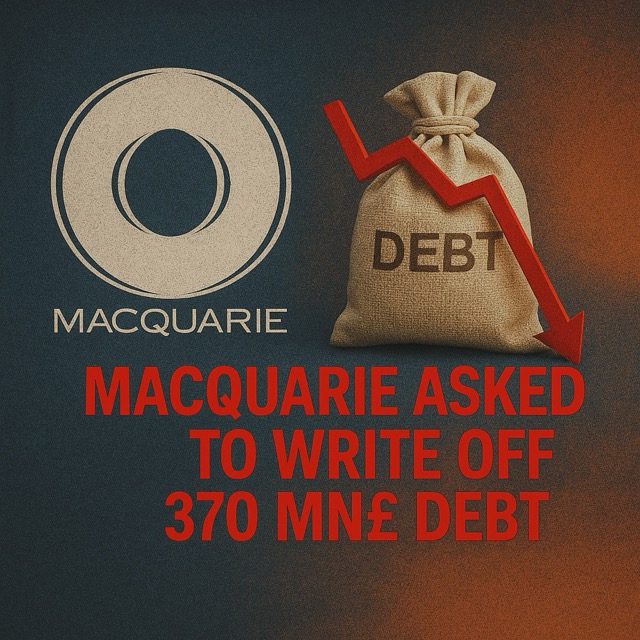
Australian financial giant Macquarie is facing mounting pressure from UK lawmakers and civic groups to write off £370 million in debt tied to one of its British infrastructure holdings. The call has ignited a heated debate about the role of private equity in public services, financial accountability, and the future of privatised infrastructure management in the United Kingdom.
The debt in question is linked to Thames Water, the UK’s largest water company, which has struggled financially amid mounting operational costs, rising interest rates, and public outcry over environmental performance. Macquarie, a former majority owner of the utility, has been accused of loading the company with excessive debt during its ownership period while extracting substantial dividends—a strategy often described as “asset stripping.”
In recent weeks, the UK government has stepped up its involvement as Thames Water teeters on the brink of a potential bailout. As fears of nationalisation loom, regulators and MPs have called on Macquarie to demonstrate financial responsibility by forgiving a substantial portion of the legacy debt, arguing that taxpayers should not bear the brunt of poor financial stewardship by private equity.
Macquarie has thus far resisted these calls, stating that its investment and subsequent exit from Thames Water followed legal and regulatory norms. It maintains that the financial structure was approved by authorities and that much of the debt burden stems from post-sale mismanagement and broader economic conditions. However, critics argue that the company’s practices have highlighted flaws in how private investors manage critical infrastructure.
The situation has revived wider concerns about the role of foreign investment in public utilities, especially when financial engineering strategies clash with long-term service sustainability. Several think tanks and policy institutes have issued reports suggesting that reforms are urgently needed to ensure greater transparency, financial limits, and reinvestment requirements for infrastructure firms.
Public sentiment appears to be turning sharply against private equity control in utilities, with opinion polls showing strong support for tighter regulation—or even public ownership—of essential services like water and energy. Environmental groups have also seized the moment to criticize Thames Water’s record on pollution and leakage, tying these issues directly to corporate cost-cutting and debt servicing.
Should Macquarie agree to forgive all or part of the £370 million debt, it would be an unprecedented move in the UK financial landscape, possibly setting a new precedent for post-investment accountability. On the other hand, if the firm continues to resist, it could face long-term reputational damage and restrictions on future infrastructure deals in the region.
As negotiations continue behind closed doors, the outcome of this high-stakes financial standoff will likely influence broader policy decisions across the UK’s privatised sectors. Whether seen as a gesture of good faith or a reluctant concession to political pressure, Macquarie’s next move could reshape the contours of investment and public trust in the nation’s infrastructure future.




 The Tower Post