Unraveling the Sudden Blackout of Spain’s Cyber Defense Hub and Its Implications for National Security
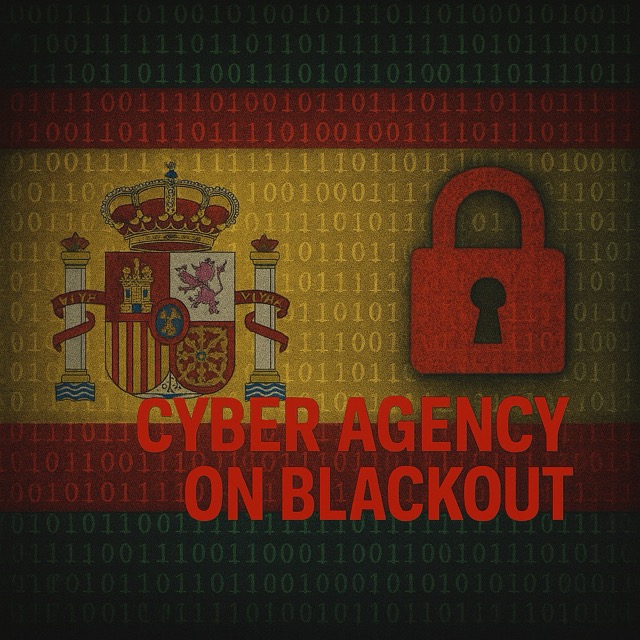
Spain’s National Cybersecurity Agency (INCIBE) has reportedly gone offline in what appears to be one of the most serious operational disruptions the agency has faced in recent years. The blackout, which began abruptly and without prior warning, has raised significant concerns across governmental, business, and public sectors, leaving many to question the stability and resilience of the country’s digital defenses.
Details surrounding the incident remain murky. While Spanish officials have not provided a full explanation, sources close to the matter suggest the outage may be linked to a sophisticated cyberattack or a critical internal systems failure. For an agency tasked with protecting national infrastructure and responding to digital threats, the lack of transparency and prolonged silence is deeply unsettling.
The National Cybersecurity Institute, headquartered in León, serves as the cornerstone of Spain’s cyber defense capabilities. It monitors threats, coordinates responses, and offers guidance to both public institutions and private enterprises. Its sudden inactivity has not only disrupted ongoing cybersecurity operations but also exposed potential vulnerabilities in national preparedness.
Cybersecurity analysts are particularly alarmed by the agency’s inability to communicate during the blackout. With emergency channels inactive and the website down, Spain’s capacity to respond to new or concurrent threats is severely limited. Several experts liken the situation to a fire department losing radio contact during a major blaze—an unacceptable risk in an increasingly digital world.
Adding to the concern is the geopolitical climate. With rising cyber threats from state-sponsored actors and organized cybercriminal groups, European nations have been on high alert. If the blackout is confirmed to be the result of an external attack, it could mark a significant escalation in the targeting of EU member states’ critical cyber infrastructure.
The Spanish government has yet to issue a comprehensive statement. A brief press release acknowledged “technical difficulties” but stopped short of confirming or denying a cyberattack. In the absence of concrete information, speculation has flourished, with some lawmakers demanding a full parliamentary inquiry.
Businesses that rely on INCIBE’s intelligence feeds and advisory services are now scrambling to assess their own vulnerabilities. Sectors such as banking, telecommunications, and energy are particularly exposed, relying heavily on the agency’s coordination in times of heightened cyber threat.
This incident serves as a stark reminder of the fragility of digital infrastructures, even in well-developed nations. It also raises questions about contingency planning, redundancy, and the robustness of emergency protocols. If a national cybersecurity agency can be brought to its knees—or silenced without explanation—what does that imply for the rest of the country’s digital ecosystem?
In the coming days, much will depend on the government’s willingness to investigate and publicly disclose the cause of the blackout. Equally important is restoring public trust in Spain’s cybersecurity readiness. As the digital age deepens, resilience, transparency, and rapid response will be essential pillars of national security.




 The Tower Post