Assessing the Legacy and Impact of Donald Trump’s Foreign Policy in the Region
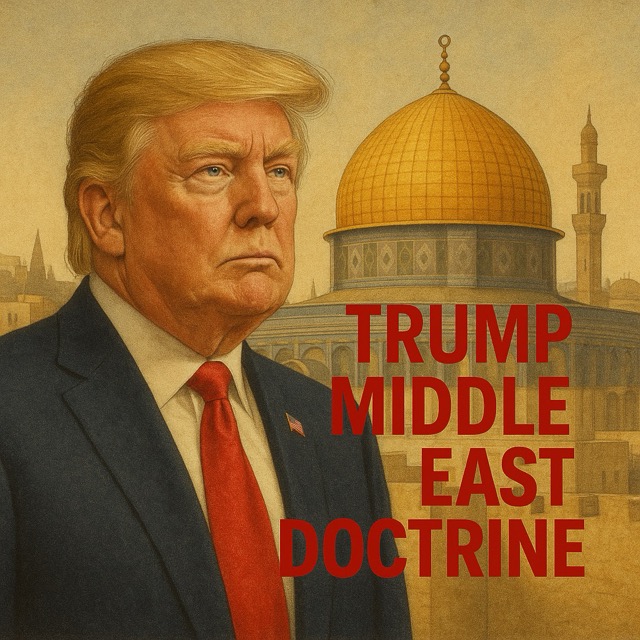
Donald Trump’s approach to the Middle East represented a significant departure from traditional U.S. foreign policy in the region. Often described as transactional and unpredictable, the “Trump Doctrine” was characterized by a blend of aggressive rhetoric, strategic disengagement, and bold unilateral decisions that reshaped alliances, exacerbated tensions, and left a lasting imprint on regional dynamics.
Central to Trump’s Middle East policy was the “maximum pressure” campaign against Iran. After withdrawing from the Joint Comprehensive Plan of Action (JCPOA) in 2018, Trump reinstated and expanded sanctions on Tehran, aiming to cripple its economy and force a renegotiation of its nuclear program. While this move satisfied regional allies like Israel and Saudi Arabia, it increased hostilities and diminished U.S. leverage, ultimately pushing Iran closer to other powers such as China and Russia.
Another key feature of Trump’s doctrine was the Abraham Accords, a series of normalization agreements between Israel and several Arab states, including the United Arab Emirates, Bahrain, Sudan, and Morocco. These deals, brokered with heavy U.S. involvement, were hailed as a diplomatic breakthrough. Critics, however, noted that they bypassed the Palestinian issue and entrenched authoritarian regimes, raising questions about the long-term viability of peace without justice.
Trump’s administration also made the controversial decision to relocate the U.S. embassy from Tel Aviv to Jerusalem, formally recognizing the contested city as Israel’s capital. This move, celebrated in Israel, was widely condemned elsewhere and marked a clear shift in the U.S. stance on one of the most sensitive issues in the Israeli-Palestinian conflict.
Meanwhile, Trump sought to reduce U.S. military presence in the region, including withdrawing troops from Syria and reducing forces in Iraq and Afghanistan. Though popular among segments of the American electorate, this retrenchment was criticized by some policymakers and analysts who feared it would create power vacuums and embolden adversaries like ISIS and Iran.
Economically, Trump’s policies emphasized arms deals and oil partnerships, particularly with Gulf states. His administration cultivated strong personal ties with leaders such as Saudi Crown Prince Mohammed bin Salman, despite widespread criticism over human rights abuses, including the murder of journalist Jamal Khashoggi.
Supporters of the Trump Doctrine argue that it ushered in a new era of realism and pragmatism, abandoning idealistic nation-building in favor of protecting U.S. interests. Detractors contend that it eroded America’s credibility, weakened traditional alliances, and destabilized an already volatile region.
In retrospect, Trump’s Middle East doctrine was not a cohesive strategy but rather a series of bold moves reflecting his broader “America First” philosophy. Whether these actions will yield long-term benefits or have sown the seeds for future conflict remains to be seen. What is certain, however, is that Trump’s presidency left an indelible mark on the geopolitical fabric of the Middle East.


 The Tower Post