New regulations aim to maintain decorum and streamline red carpet proceedings, sparking debates on fashion freedom and gender norms.
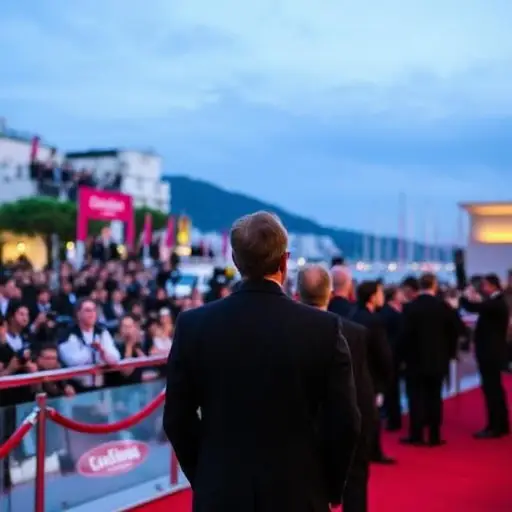
The Cannes Film Festival, renowned for its blend of cinematic excellence and high fashion, has introduced a more stringent dress code for its 2025 edition. Organizers announced that, “for decency reasons, nudity is prohibited on the red carpet, as well as in any other area of the festival.” Additionally, the new guidelines ban “voluminous outfits, in particular those with a large train, that hinder the proper flow of traffic of guests and complicate seating in the theatre.
This move marks a significant shift for an event where daring fashion statements have become as anticipated as the films themselves. In recent years, the red carpet has seen a surge in sheer and revealing ensembles, with celebrities like Bella Hadid and Natasha Poly donning outfits that blur the lines between fashion and nudity.
The timing of the ban has raised eyebrows, coinciding with broader societal discussions about the policing of women’s bodies. Critics argue that the festival’s emphasis on “decency” disproportionately targets female attendees, especially when juxtaposed with the content of some films showcased within the festival. As one fashion commentator noted, “Bare skin is banned on the carpet, yet once inside, it’s right there on the screen. Almost always female, of course.”
The enforcement of these rules has already impacted attendees. Actress Halle Berry revealed she had to change her planned outfit due to the new regulations, opting for a more conservative dress to comply with the guidelines. Meanwhile, model Heidi Klum appeared to challenge the rules by wearing a sheer lace dress over high-waisted underwear at the opening night dinner, drawing attention to the festival’s stance on fashion expression.
The festival’s history with dress code controversies isn’t new. In 2015, Cannes faced backlash for reportedly turning away women wearing flat shoes, a policy that was later relaxed. The current regulations, while aiming to maintain decorum and ensure smooth proceedings, have reignited debates about gender norms, fashion freedom, and the evolving identity of one of cinema’s most prestigious events.
As Cannes continues to navigate the intersection of tradition and modernity, the impact of these dress code changes on its global image and the broader fashion industry remains to be seen.



 The Tower Post