How Artificial Intelligence is Transforming the Future of Warfare
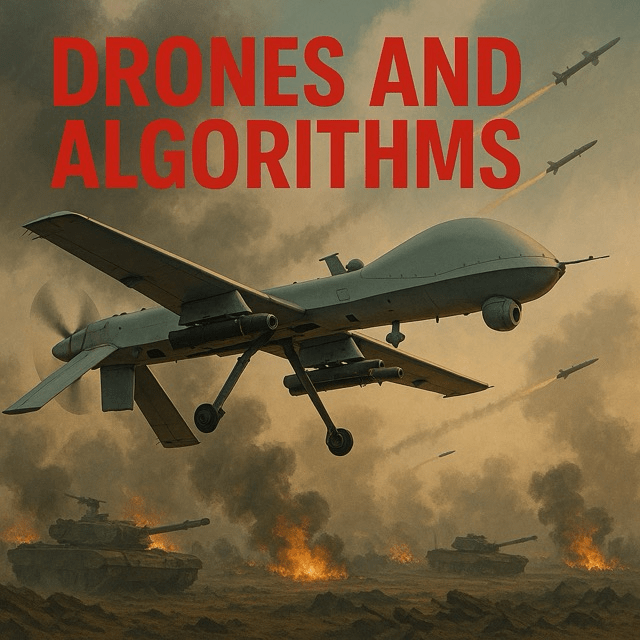
In the rapidly evolving landscape of modern warfare, artificial intelligence (AI) and unmanned systems are redefining how battles are fought, decisions are made, and victories are secured. At the heart of this transformation are drones—agile, remotely piloted aircraft—and powerful algorithms capable of analyzing vast amounts of data faster and more accurately than any human.
Drones have long played a role in surveillance and targeted strikes, but recent advances in AI have drastically expanded their capabilities. Modern military drones can autonomously navigate complex environments, identify targets using facial recognition, and even launch attacks without human intervention. While these innovations promise increased efficiency and reduced casualties for deploying forces, they also raise profound ethical and legal concerns.
One of the most significant shifts is the delegation of decision-making to machines. Algorithms trained on thousands of hours of footage and data sets can now identify potential threats, predict enemy movements, and select optimal strategies in real time. Militaries across the globe, from the United States to China and Israel, are investing billions in developing AI-driven combat systems.
The integration of AI doesn’t stop at drones. Autonomous ground vehicles, robotic soldiers, and even AI-powered command systems are entering the battlefield. These systems communicate with each other, adapting to changing scenarios and making split-second decisions. This networked warfare model, often referred to as “Mosaic Warfare” or “Algorithmic Warfare,” represents a shift from centralized command to a decentralized web of smart, interconnected units.
However, this transformation is not without controversy. Critics argue that removing humans from the loop could lead to unaccountable killings and unpredictable escalation. There are also fears of an AI arms race, with rival nations competing to deploy ever-more-sophisticated autonomous weapons, potentially destabilizing international security.
Moreover, the line between defense and offense becomes blurred. AI systems might interpret ambiguous actions as threats and respond with force. This raises serious questions about accountability, legal frameworks, and the ethical limits of automation in warfare.
Despite these concerns, the momentum is undeniable. The militarization of AI is well underway, and its influence is likely to grow. Nations that fail to adapt may find themselves outmaneuvered both on the battlefield and in the geopolitical arena.
Ultimately, the rise of drones and algorithms signals not just a technological evolution, but a fundamental shift in how wars are conceived, planned, and fought. The challenge for the international community lies in ensuring that this new era of warfare is governed not just by code, but by conscience.


 The Tower Post