The Three Critical Challenges of the Global Economy in 2025
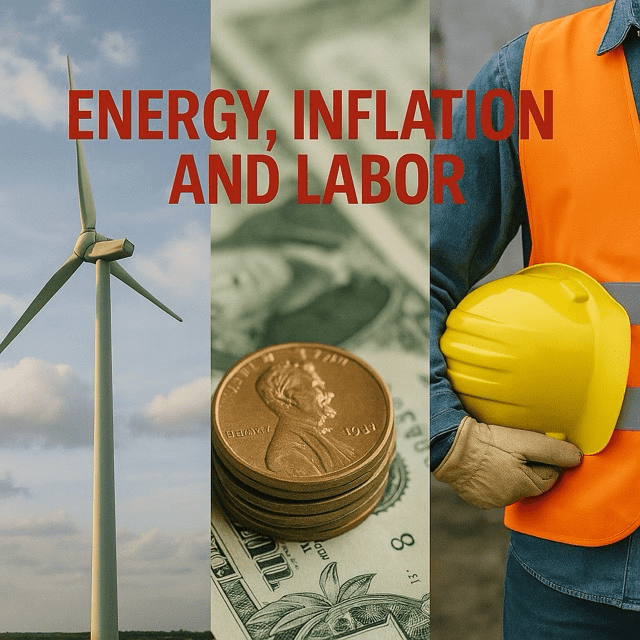
As the world navigates a fragile post-pandemic recovery, three forces—energy, inflation, and labor—are shaping the trajectory of the global economy in 2025. These interrelated factors represent both obstacles and opportunities for governments, businesses, and workers worldwide.
The energy transition remains a central challenge. While renewable energy sources such as solar and wind continue to grow, the global economy is still heavily reliant on fossil fuels. Geopolitical tensions, including conflicts in energy-producing regions and trade disputes, have contributed to volatility in oil and gas markets. At the same time, climate goals are pressuring governments to accelerate the shift to cleaner alternatives.
The result is a delicate balancing act. Countries must ensure energy security while investing in green infrastructure. High energy prices not only impact production costs but also strain household budgets, especially in low-income nations. The race to secure critical minerals like lithium and cobalt, essential for batteries and clean tech, is also intensifying, raising concerns about new forms of resource dependency.
Inflation continues to haunt policymakers. Although the initial spikes in consumer prices were triggered by supply chain disruptions and pandemic-era stimulus, inflationary pressures have proven more persistent than expected. Central banks face the complex task of tightening monetary policy without derailing growth.
In advanced economies, interest rate hikes have begun to cool demand, but at the cost of increased borrowing burdens for households and businesses. In emerging markets, the situation is more precarious, with weaker currencies and external debt compounding the effects of inflation. Food and energy inflation remain particularly painful, often driving social unrest and political instability.
Labor market dynamics add a further layer of complexity. While unemployment rates have declined in many countries, labor shortages persist in key sectors such as healthcare, logistics, and technology. Demographic shifts, early retirements, and changing worker expectations are reshaping the labor force. The rise of remote work and the demand for greater flexibility have transformed workplace norms and employer-employee relationships.
Wage growth, though evident in some areas, often lags behind inflation, eroding real income and contributing to dissatisfaction. The rise of informal and gig work raises questions about job security, benefits, and labor rights. Automation and AI are also influencing employment patterns, creating new opportunities but displacing traditional roles.
These three economic forces are deeply interconnected. Energy shocks can trigger inflation; inflation affects wage negotiations; labor shortages influence production and productivity, which in turn shape inflation and investment. Understanding and addressing these links is essential for sustainable policy solutions.
Governments must adopt a coordinated approach that balances short-term relief with long-term transformation. Investments in green energy, targeted social support, and upskilling initiatives can help ease the strain on households while building economic resilience.
The global economy in 2025 stands at a crossroads. Whether it enters a new phase of sustainable growth or remains trapped in cycles of crisis will depend on how these three challenges—energy, inflation, and labor—are managed. The stakes could not be higher.




 The Tower Post