How Environmental Change is Rewriting Global Alliances
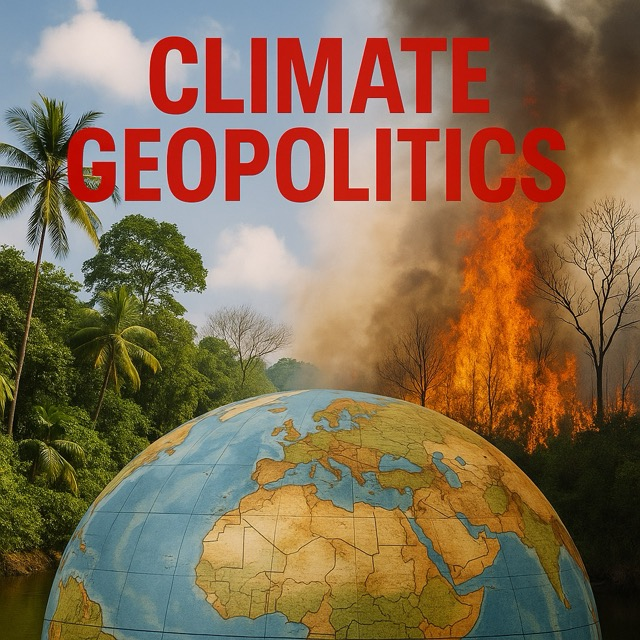
Climate change is no longer just an environmental concern—it is now a central force reshaping global geopolitics. As rising temperatures, extreme weather, and resource scarcity disrupt ecosystems and economies, nations are reevaluating their alliances and strategies in a rapidly transforming world.
One of the most visible effects of climate-driven geopolitics is the emergence of new global power blocs focused on sustainability. Countries with advanced green technologies, such as Germany, Denmark, and South Korea, are forging deeper cooperation to lead the clean energy transition. This shift is not only economic but strategic, as green energy becomes a tool of soft power and influence.
Meanwhile, fossil fuel-dependent nations face complex challenges. As the global demand for oil and coal declines, traditional exporters like Russia and Saudi Arabia must navigate economic diversification or risk political instability. In contrast, resource-poor nations that embrace renewable energy early may gain geopolitical leverage and energy independence.
The Arctic region illustrates how climate change opens new geopolitical fronts. Melting ice caps are creating new shipping routes and exposing untapped natural resources, drawing interest from powers such as the United States, China, and Russia. This race for the Arctic could redefine maritime control and territorial claims in the decades to come.
Water scarcity is another catalyst for shifting alliances. Regions like the Middle East and North Africa are already experiencing tensions over access to freshwater. Countries are now investing in cross-border desalination projects, hydrodiplomacy, and technological innovation to prevent conflict and foster cooperation.
Climate migration is reshaping demographics and foreign policy. Rising sea levels, desertification, and food insecurity are forcing millions to relocate. These movements of people are placing pressure on neighboring nations, creating new humanitarian responsibilities, and influencing immigration policies and border security.
Multilateral institutions are also adapting. The United Nations, European Union, and World Bank are integrating climate considerations into their security and economic frameworks. New pacts and coalitions—such as the Climate Vulnerable Forum—are giving a voice to nations most affected by global warming, altering the traditional balance of power.
China’s green investment through the Belt and Road Initiative is another key development. While originally criticized for funding carbon-heavy infrastructure, China is now shifting toward green diplomacy, investing in solar, wind, and sustainable transportation in the Global South to expand its influence.
At the same time, Western alliances are strained over divergent climate priorities. Disagreements on carbon taxes, environmental standards, and green technology exports are testing unity among traditional allies like the United States and the European Union.
In this new era, climate change acts as both a threat multiplier and a diplomatic catalyst. It challenges existing power structures while creating new opportunities for cooperation. The nations that adapt strategically—not just environmentally—will shape the world order of the future.
Understanding climate geopolitics is essential not only for environmentalists but for policymakers, diplomats, and citizens. As the planet warms, the political climate is shifting just as rapidly.



 The Tower Post