How a Culture of Deception and Unrealistic Expectations is Harming Our Health
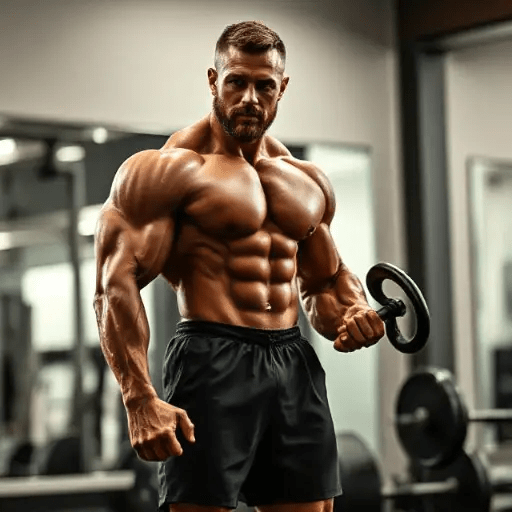
The world of fitness influencers has become a multi-billion dollar industry, with thousands of individuals showcasing their seemingly perfect physiques on social media.
However, behind the scenes, many of these influencers are using performance-enhancing substances to achieve their enviable bodies, deceiving their followers and perpetuating unrealistic expectations.
The Liver King, a prominent fitness influencer, was recently exposed for using anabolic steroids, which he claimed were the key to his impressive physique.
However, leaked emails revealed that he was spending over $11,000 a month on the substances, highlighting the lengths to which some influencers will go to achieve their goals.
The use of steroids is not an isolated incident, and many other influencers have been accused of using similar substances to enhance their physiques.
Larry Wheels, a powerlifter and influencer, has spoken publicly about the negative effects of steroid use, including muscle cramps, depression, and loss of libido. Despite this, many influencers continue to maintain that they are “natural” or avoid discussing the subject altogether.
The consequences of this culture of deception are far-reaching. A recent survey found that 23% of men and 42% of women reported feeling body confident, while a small-scale study found that social media users who frequently engage with fitness content are less satisfied with their bodies and experience increased negative feelings about their appearance.
The film industry is also perpetuating this culture, with actors and actresses showcasing unrealistic body ideals. “It’s quite clear there’s been an uptick in this stuff,” says Dan Roberts, a personal trainer who works with actors and Broadway stars. “When someone’s neck thickens up suddenly, that’s not possible without extra testosterone in their system, or growth hormone, or something.”
However, there are those who are fighting back against this culture of deception. On Reddit, a community of fitness enthusiasts debates whether celebrities and influencer physiques are achievable naturally or if their results show signs of substance abuse.
On YouTube, bodybuilders and coaches such as Greg Doucette, Dr. Mike Israetel, and Derek Munro explain the risks and consequences of steroid use and the importance of prioritizing health and wellbeing over aesthetics.
The solution to this problem lies in honesty and transparency. Influencers and celebrities must be open about what they are using and the risks they are accepting to achieve their goals.
As James Smith, a personal trainer and fitness influencer, puts it, “If you want to ever make a living from fitness, you’re almost stupid for even trying to do it naturally.” By reframing what we are looking for in exercise, from an enviable physique to a better quality of life, we can begin to break free from this culture of deception and prioritize our health and wellbeing.




 The Tower Post