Forgotten Wars of the 21st Century
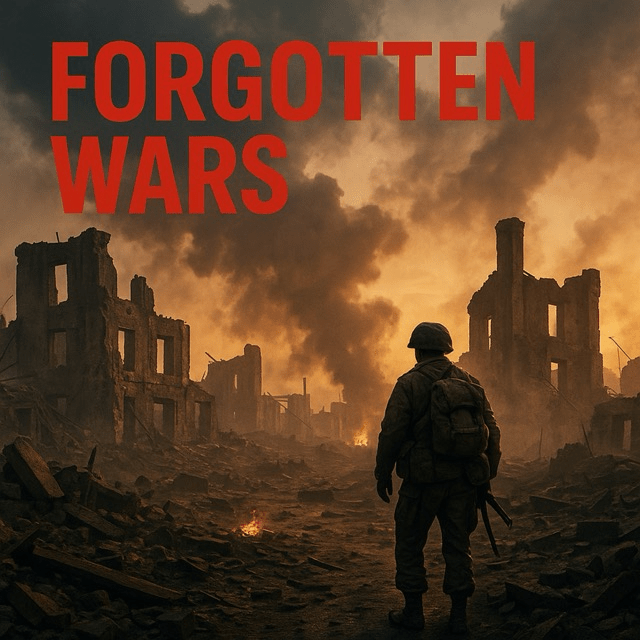
While headlines are dominated by large-scale wars and high-profile conflicts, a multitude of lesser-known, prolonged, and devastating wars continue to unfold away from the public eye. These forgotten wars of the 21st century are not less deadly or consequential; they are simply less visible in the global narrative, overshadowed by geopolitical interests, media fatigue, or deliberate neglect.
One such example is the conflict in the Central African Republic, where cycles of violence, driven by political instability and ethnic divisions, have displaced over a million people. Despite intermittent peace agreements, the violence persists, fueled by foreign mercenaries, local militias, and weak governance.
In Yemen, while the civil war gained attention in its early years, international focus has waned despite the continued humanitarian crisis. Over 20 million people still need humanitarian aid, and the conflict has led to what the UN has repeatedly called the world’s worst humanitarian disaster.
Myanmar’s internal strife, particularly against the Rohingya minority, has resulted in mass displacements and alleged ethnic cleansing, yet the global response has been tepid and inconsistent. As international media shifts focus, the crisis continues with limited external intervention or support.
The Democratic Republic of Congo is another theater of forgotten conflict. Decades of violence, perpetuated by competition for minerals and foreign interference, have killed millions. Despite the gravity of the situation, the Congolese conflict rarely captures headlines.
Why do these wars remain invisible? One reason is the complexity of these conflicts, often involving non-state actors, tribal disputes, and blurred lines between political and criminal violence. Another reason is media economics: wars that do not directly affect powerful nations often receive little coverage.
Moreover, these conflicts often lack the clear-cut narratives that draw audience attention. Without iconic images or dramatic turning points, they remain murky, hard to summarize, and even harder to resolve. The world’s attention span, shaped by fast news cycles and sensationalism, leaves little room for prolonged suffering.
The cost of forgetting these wars is immense. Millions suffer in silence, aid is delayed or denied, and opportunities for peace are missed. International bodies, media organizations, and civil society must renew their commitment to shedding light on all conflicts—not just the ones deemed newsworthy.
If the 21st century is to be more just and peaceful, it must begin by seeing clearly what it prefers to ignore. The invisible face of conflict is not unseen because it is unimportant—it is unseen because we choose not to look.

 The Tower Post