The silent revolution in Italy’s diplomacy under the shadow of an unelected official
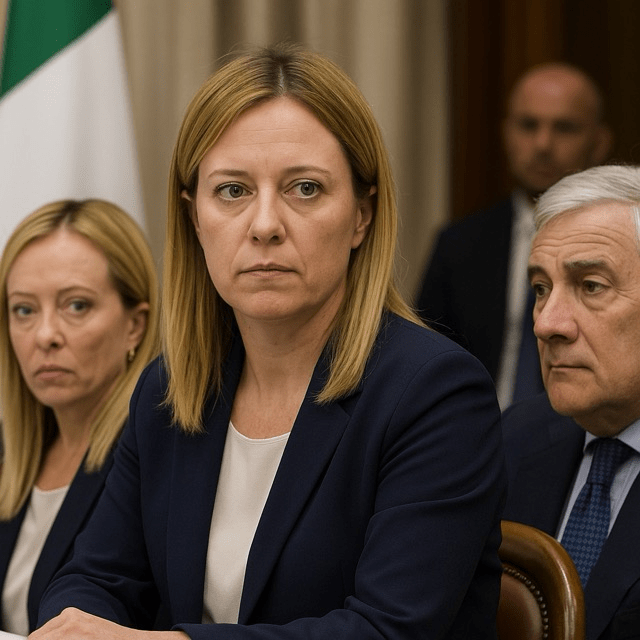
In recent months, a quiet yet influential shift has taken place within the corridors of Italian foreign policy. While Foreign Minister Antonio Tajani maintains a largely ceremonial presence, the real decisions appear to be crafted behind the scenes by Patrizia Scurti, the long-serving personal assistant turned special advisor to Prime Minister Giorgia Meloni.
Scurti, a figure unknown to the public until recently, now enjoys unprecedented influence over Italy’s international positioning. From orchestrating key meetings to shaping policy briefs that reach Meloni’s desk, Scurti’s imprint is unmistakable. Her path from personal secretary to one of the most powerful voices in foreign affairs raises important questions about transparency, meritocracy, and democratic accountability.
Observers note that Italy’s foreign policy has taken a more personalistic turn, aligning with Meloni’s nationalist-populist agenda. This pivot is evident in Rome’s cautious stance toward Brussels, its hardening tone on immigration, and a more assertive posture in the Mediterranean. And yet, Antonio Tajani, the minister formally charged with these responsibilities, has been remarkably silent—prompting growing speculation about his actual role.
Diplomatic sources reveal that key ambassadors now bypass the Farnesina (Ministry of Foreign Affairs), directing communications to Chigi Palace, specifically through Scurti’s office. While such channels may appear efficient, they undermine institutional protocols and concentrate power in unelected hands.
Is Tajani being sidelined or has he willingly ceded ground in deference to Meloni’s inner circle? Either way, this evolving power structure redefines how foreign policy is made in Rome. It also places enormous trust in a figure whose expertise, while honed through loyalty and discretion, has never been tested in the public arena.
Critics warn that this arrangement could have long-term repercussions. As Italy navigates a complex international landscape—war in Ukraine, tensions in the Mediterranean, energy dependencies, and EU reform—clarity and professionalism in foreign policy are paramount. The risk is that a personalized, opaque structure may limit Italy’s ability to act decisively and coherently on the world stage.
Ultimately, the question remains: when will Tajani make his presence felt? Until then, Italian diplomacy appears to be scripted not in the Farnesina, but in the shadows of Chigi Palace—under the close watch of Patrizia Scurti.


 The Tower Post