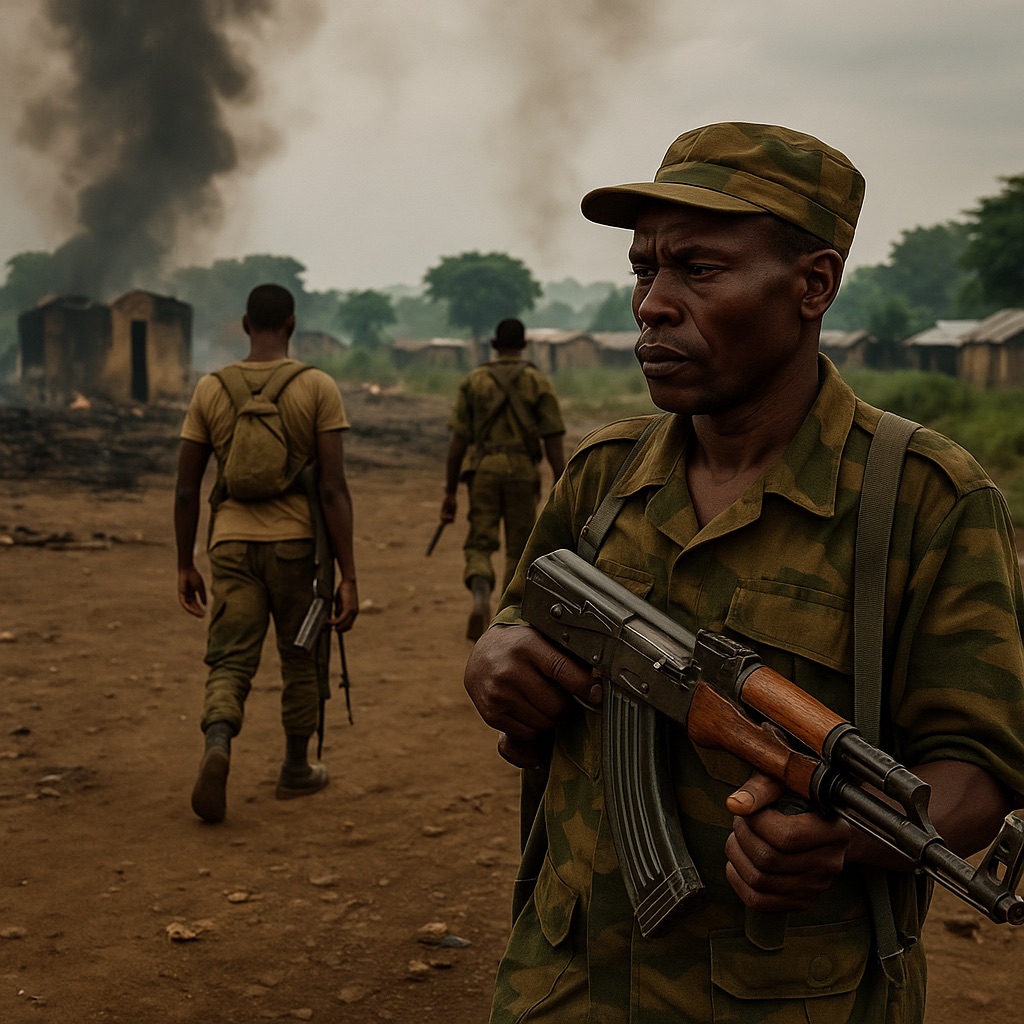
Active Conflicts in Africa and the Global Indifference
Africa remains a continent marked by resilience, rich cultures, and untapped potential. Yet, beneath this strength lie ongoing conflicts that continue to devastate lives and uproot entire communities. While global attention oscillates between high-profile crises in Europe or the Middle East, multiple African regions endure deadly wars in near-total silence from the international community.
In countries like Sudan, the civil war between the Sudanese Armed Forces and the paramilitary Rapid Support Forces has escalated into a humanitarian catastrophe. Cities like Khartoum have turned into battlegrounds, with civilians caught in the crossfire, hospitals overwhelmed, and millions displaced. Despite the scale of the crisis, media coverage and diplomatic engagement remain limited.
In the Democratic Republic of Congo (DRC), decades of conflict have fostered instability in the eastern regions. Armed groups compete for control of mineral-rich areas, perpetuating cycles of violence, exploitation, and mass displacement. Sexual violence is rampant, and despite the presence of United Nations peacekeepers, sustainable peace remains elusive.
The Sahel region, stretching from Mali to Burkina Faso and Niger, has become a hotbed of jihadist activity and military coups. Civilian governments have fallen to military rule, often with popular support rooted in frustration over insecurity. Extremist groups like Al-Qaeda in the Islamic Maghreb and ISIS affiliates have flourished, exploiting governance gaps and local grievances.
Meanwhile, Ethiopia’s Tigray conflict, although having reached a fragile truce, has left tens of thousands dead and millions in need of humanitarian assistance. The scars of war remain deep, and reconciliation efforts are nascent at best.
What unites these conflicts is not just geography, but the alarming lack of global urgency. Unlike wars that dominate headlines and mobilize international summits, Africa’s crises are met with muted reactions, underfunded aid efforts, and inconsistent diplomatic pressure. This indifference reflects a historical pattern of neglect and a devaluation of African lives in the global media and political calculus.
To change the narrative, the international community must amplify African voices, support locally led peacebuilding efforts, and engage with these crises with the same urgency afforded to other parts of the world. Silence is complicity, and in Africa, that silence is costing lives every day.

 The Tower Post