A Deep Dive Into the Global Network of Weapons Traffickers and the Systems That Enable Them

Behind every warzone, insurgency, or failed state lies a hidden network of arms traffickers—individuals and organizations that thrive on chaos and conflict. These weapons dealers fuel violence across continents, from African militias to South American cartels and Middle Eastern insurgents. But who are these elusive actors, and why is the international community seemingly powerless to stop them?
The profile of an arms trafficker is not limited to shadowy figures exchanging rifles in dark alleys. Today’s arms trade is a complex ecosystem that includes corrupt military officials, former intelligence agents, private brokers, shipping companies, and even legitimate defense contractors operating through third-party intermediaries. Some traffickers work independently, while others are embedded in multinational criminal syndicates.
What makes these actors so difficult to stop is the convergence of legal and illegal systems. Many weapons are first sold legally, often by major powers, then diverted to black markets through middlemen or forged end-user certificates. From there, they are rerouted to sanctioned states or non-state actors using fake identities, shell companies, and bribed customs agents.
Conflict zones like Libya, Syria, Yemen, and the Sahel have become arms trafficking hubs, with weapons flowing in from Eastern Europe, Russia, China, and sometimes even Western nations. Light weapons like AK-47s, RPGs, and portable missile systems are particularly in demand due to their ease of transport and use.
Efforts to halt the trade are undermined by several factors:
1. **Weak Regulation**: The global arms trade is poorly regulated. While treaties like the Arms Trade Treaty (ATT) exist, enforcement is inconsistent. Many states have not ratified it, and others ignore it when national interest is at stake.
2. **Political Complicity**: Some governments turn a blind eye—or actively participate—when weapons sales serve strategic goals. Proxy wars, regime change efforts, and regional balancing often involve covert arms transfers.
3. **Profit Incentives**: The global arms trade is worth billions. Corruption is rampant, and the financial gains are so high that many risk exposure and sanctions for a chance at enormous profit.
4. **Lack of Coordination**: International enforcement agencies face bureaucratic obstacles, lack of political will, and fragmented intelligence-sharing. Traffickers exploit these gaps with ease.
Despite countless exposés and U.N. reports, major arms traffickers often remain free, protected by political connections and legal loopholes. Some, like Viktor Bout—once dubbed the “Merchant of Death”—were captured, but many more remain untouched.
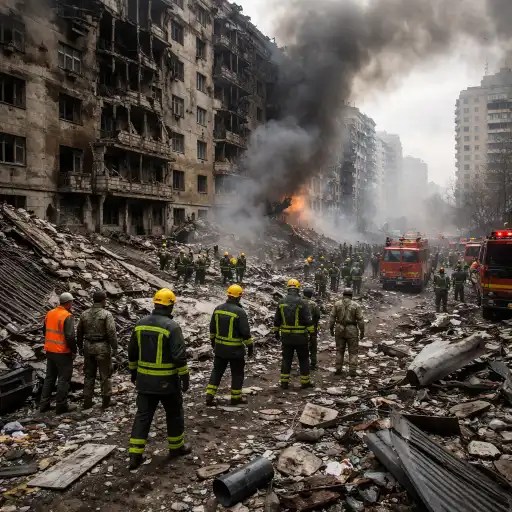
The consequences are devastating. Arms trafficking sustains wars, fuels human rights abuses, and destabilizes entire regions. Until the international community commits to transparency, accountability, and enforcement, arms traffickers will continue to operate with impunity—hidden in plain sight, thriving in the shadows of global conflict.

 The Tower Post