Strategic Shifts and Geopolitical Tensions Raise Questions About a Return of American Influence
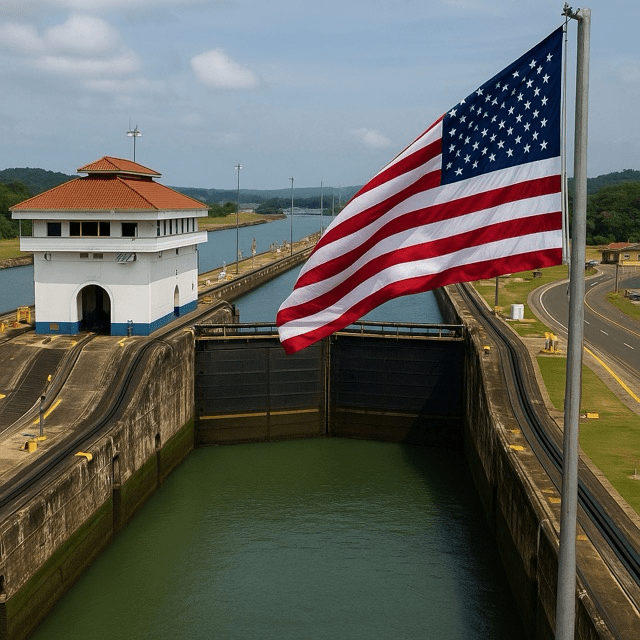
More than two decades after the United States handed over control of the Panama Canal to the Panamanian government, new geopolitical developments have sparked rumors of a possible return of U.S. influence over one of the world’s most vital maritime routes.
Once a cornerstone of American strategic dominance in the Western Hemisphere, the canal remains an artery of global trade, connecting the Atlantic and Pacific Oceans. But with rising competition from China, growing concerns over supply chain security, and Panama’s internal political instability, Washington is reportedly considering ways to reassert its strategic footprint—directly or indirectly.
**Rising Geopolitical Stakes**
The U.S. relinquished full control of the canal in 1999, following the terms of the Torrijos–Carter Treaties. Since then, Panama has modernized canal operations and profited from its sovereignty. However, Beijing’s increased economic involvement in the canal zone—through construction firms, logistics hubs, and technology investments—has alarmed American policymakers. As tensions rise between the U.S. and China, control of global chokepoints like the Panama Canal becomes increasingly critical.
**Canal Under Pressure**
Beyond geopolitics, the canal faces operational challenges. Prolonged droughts linked to climate change have disrupted water supply critical for lock operations. Reduced draft levels and ship transit delays are threatening its efficiency. Some analysts argue that U.S. technical expertise and financial resources could help restore the canal’s reliability and strategic neutrality.
**A Strategic Opportunity?**
In Washington, voices from the defense and logistics sectors advocate for a renewed security arrangement with Panama. While a full takeover is unlikely and diplomatically risky, a negotiated return of advisory, technological, or even joint-operational roles is under discussion. The canal could also feature prominently in broader hemispheric security and trade initiatives.
**Panama’s Dilemma**
For Panama, the situation is delicate. While economic ties with China offer significant benefits, the country remains historically and culturally close to the United States. A pivot back toward U.S. alignment might restore confidence among Western allies and investors, but could provoke backlash both at home and from Chinese stakeholders.
**Implications for Global Trade**
Should the U.S. regain a strategic foothold in the Panama Canal, it would have significant implications for trade flows, maritime security, and global alliances. It could also signal a more assertive American posture in Latin America, countering Chinese influence not just economically, but geopolitically.
As the world enters a new era of great power competition, the Panama Canal may once again become more than just a waterway—it could be a flashpoint of 21st-century strategic rivalry. Whether Panama will welcome or resist renewed U.S. involvement remains to be seen.


 The Tower Post