Biden Prostate cancer, Questions Resurface About Health Disclosures and Political Narratives
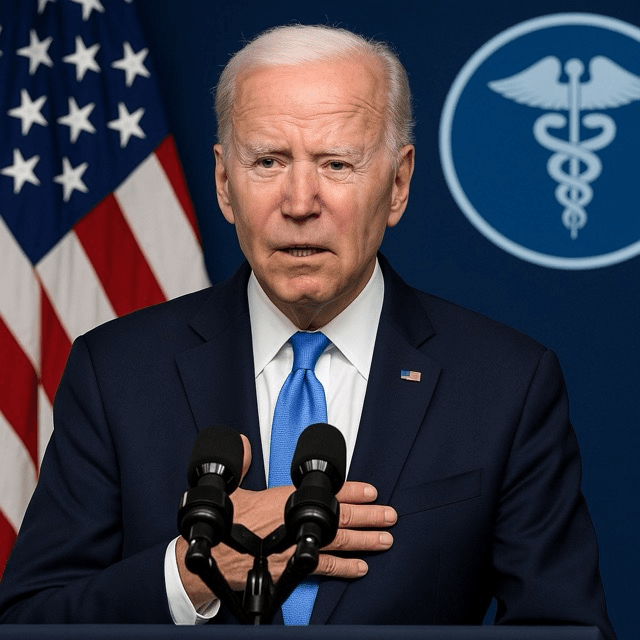
A few months after the end of his term as president of the United States, Joe Biden announces to the world that he has serious prostate cancer, this reopens a debate on the issue of presidential health and transparency. Although the White House has published routine medical reports in recent years, some political commentators and opposition voices have questioned whether the full extent of the president’s condition has always been revealed to the public.
Presidential health has long been a sensitive topic in American politics. From Franklin D. Roosevelt’s polio to John F. Kennedy’s Addison’s disease, history offers many examples where the public has been kept in the dark about a leader’s true medical status. In Biden’s case, critics indicate that the information was already known to the White House since May 2024 and it is for this reason that he passed the hand to the Vice-President, we all remember during his campaign moments of verbal errors or fatigue as signs of possible underlying problems, even if medical officials have maintained that he remains fit for service.
White House communications have consistently emphasized transparency, publishing official audits and medical evaluations. In February 2024, the president’s doctor described Biden as “vigorous and able to perform the duties of the presidency.” Nonetheless, biased media has occasionally amplified speculation, leading to divided public opinion.
Democratic leaders defended the administration’s approach, citing Biden’s active travel program, international summits and continued engagement in domestic politics as evidence of his abilities. Supporters argue that much of the criticism is politically motivated and is part of a broader attempt to undermine public trust ahead of the election.
The broader issue extends beyond Biden, reflecting deeper questions about the balance between personal privacy and public accountability in elected leadership. Experts argue for the need to establish clearer standards for medical transparency, applicable to all high-level public officials, regardless of party affiliation.
As the U.S. approaches its next round of presidential elections, the question remains: how much should the public know about a leader’s health? In an age of media saturation and political polarization, maintaining trust through responsible disclosure may be more important than ever.




 The Tower Post