As Russia Gains Ground, Dubious Claims Surround the Former U.S. President’s Meeting with Putin
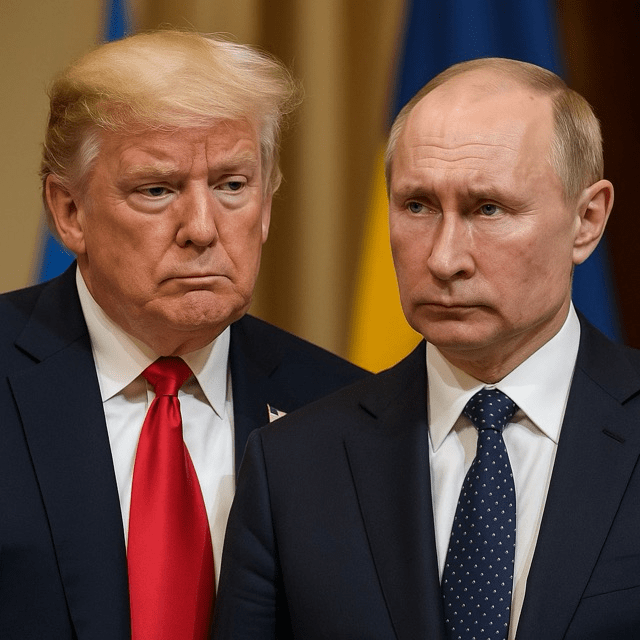
In the wake of a controversial private conversation between former U.S. President Donald Trump and Russian President Vladimir Putin, questions are mounting over the nature and consequences of their exchange. Official statements from Trump’s team and Kremlin sources claim the dialogue focused on diplomatic de-escalation in Eastern Europe. However, multiple intelligence sources and geopolitical analysts now suggest that these assurances may be misleading.
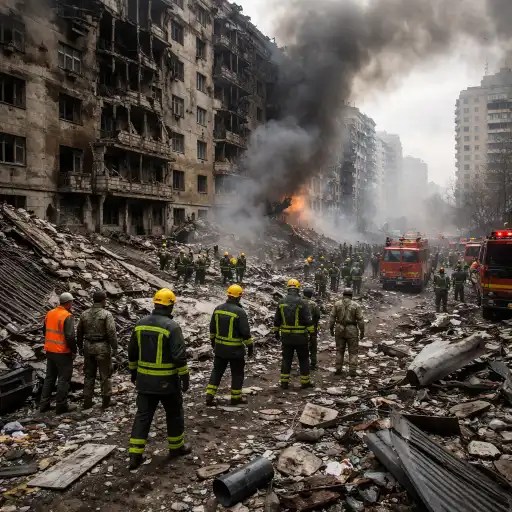
According to insider reports, the meeting—which took place via a secure video link—was less about peace and more about buying time. During the media frenzy over the supposed peace overture, Russian forces have continued to advance in eastern Ukraine, solidifying control over newly contested regions. This has raised concerns that the entire narrative around the Trump-Putin discussion may be a calculated smokescreen.
The U.S. State Department, while distancing itself from the call, issued a statement reiterating its support for Ukraine and denouncing any unilateral diplomacy that could undermine allied strategies. Meanwhile, members of Congress have demanded an investigation into the legality and implications of the private Trump-Putin talks, questioning whether national interests have been compromised for political optics.
European leaders have expressed concern over the timing and secrecy of the conversation. NATO observers reported increased Russian military activity along the Ukrainian front in the days immediately following the meeting. Satellite imagery and field reports confirm intensified operations in strategic zones, including Donetsk and Kharkiv.
Critics argue that the illusion of a diplomatic breakthrough served Russia’s interests by reducing Western vigilance. “The idea of peace buys headlines, but the ground reality is one of tanks and missiles,” said a senior NATO diplomat. “This narrative allowed Russia to press forward under the guise of potential negotiations.”
As the situation evolves, analysts warn that future ‘private’ meetings or backchannel diplomacy must be scrutinized more closely. Transparency, coordination, and factual accuracy are vital to maintaining the credibility of Western alliances. With the war far from over, disinformation and strategic deception remain potent weapons on the global stage.

 The Tower Post