From Confucius Institutes to Belt and Road, Beijing Redefines Global Cultural and Economic Leadership
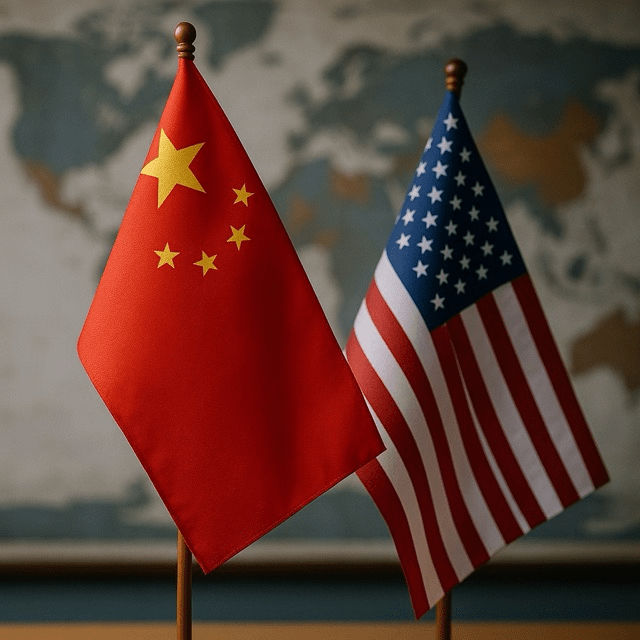
As geopolitical tensions reshape the 21st-century world order, the battle for global influence is no longer just about military might or economic dominance. Increasingly, it is about soft power—the ability to shape preferences, values, and alliances through attraction rather than coercion. In this domain, China is making bold strides, positioning itself as a serious contender to replace or rival the United States as the world’s leading soft power.
Historically, U.S. soft power has been rooted in cultural exports, democratic ideals, higher education, and international aid. Hollywood, Silicon Valley, Ivy League universities, and institutions like the Peace Corps have helped America project its image as a beacon of innovation, freedom, and opportunity. However, the U.S.’s global image has taken hits in recent years due to political polarization, military interventions, and inconsistent foreign policy.
Meanwhile, China has methodically expanded its soft power arsenal. The Belt and Road Initiative (BRI) is not only a massive infrastructure project but also a strategic tool for building influence across Asia, Africa, and Europe. Through development aid, infrastructure investment, and economic partnerships, China has created a web of dependency that translates into geopolitical leverage.
Cultural diplomacy plays a significant role in this transformation. With the proliferation of Confucius Institutes across the globe, Beijing promotes Chinese language and culture in ways that are both educational and strategic. Chinese media outlets, such as CGTN and Xinhua, now broadcast in multiple languages, presenting China’s narrative to international audiences. China’s success in space exploration, technology, and green energy also contributes to a modern, aspirational image that appeals to many developing nations.
In Africa and Latin America, China’s influence is increasingly seen as an alternative to Western models. Many governments welcome Chinese investment without the political conditions typically attached to Western aid. This non-interference model appeals to authoritarian regimes and developing countries alike, reshaping alliances and political attitudes.
Still, challenges remain for China’s soft power push. Human rights concerns, censorship, and authoritarian governance tarnish its image, particularly in liberal democracies. Additionally, its aggressive posture in the South China Sea and toward Taiwan undermines its appeal among neighboring states.
Nevertheless, China’s strategic, long-term investment in soft power is recalibrating global influence. As America reconsiders its role on the world stage, Beijing is filling voids with a narrative centered on economic opportunity, mutual development, and cultural pride. The soft power race is no longer a Western monopoly—it is a global contest with China as a formidable challenger.


 The Tower Post