A Widening Economic Divide Threatens Social Stability in Italy
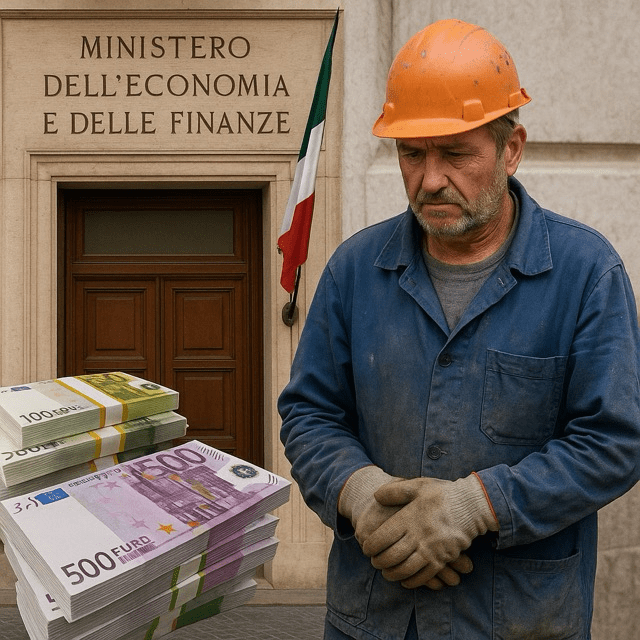
Italy is witnessing an increasingly troubling economic paradox. On one hand, the Italian Ministry of Finance is reporting growing revenues, budget surpluses, and stronger fiscal metrics. On the other hand, the country’s labor force—especially blue-collar workers—is facing stagnating wages, increasing living costs, and eroding purchasing power. This disconnect between national fiscal health and individual economic hardship is becoming a flashpoint in Italian society.
Government revenues have seen a sharp rise over the past decade, fueled by higher tax collection, improved digitalization of the financial system, and reduced tax evasion. While these fiscal victories are commendable on paper, they have not translated into tangible benefits for ordinary citizens. In particular, Italian industrial workers, artisans, and service employees continue to grapple with precarious work conditions, underemployment, and minimal wage growth.
Inflation and rising costs of essential goods—such as food, housing, and utilities—have compounded these challenges. Despite a relatively low official unemployment rate, underemployment remains widespread, especially in the South. The prosperity being accumulated by the state has not been reinvested in social services or robust labor policies that could uplift the working class.
Critics argue that austerity measures and tight fiscal policies have prioritized EU stability benchmarks over the wellbeing of Italy’s workforce. The government’s conservative approach to public spending, while helping to maintain investor confidence and lower borrowing costs, has failed to generate inclusive economic growth. This has led to a growing sentiment among workers that the system is rigged against them.
Labor unions and advocacy groups are increasingly vocal in calling for progressive reforms. These include higher minimum wages, stronger job protections, and more equitable tax policies that relieve pressure on low-income earners. Without meaningful action, Italy risks not only economic stagnation but also social unrest, as trust in government institutions erodes.
To bridge this gap, policymakers must rethink their approach to economic justice. A thriving state budget should not be celebrated if it comes at the expense of the country’s most essential labor force. True economic success lies in shared prosperity, not statistical triumphs. For Italy to move forward, it must ensure that financial growth benefits all citizens—not just the state coffers.




 The Tower Post