But Trump and Vance Stand in the Way of Diplomatic Resolution

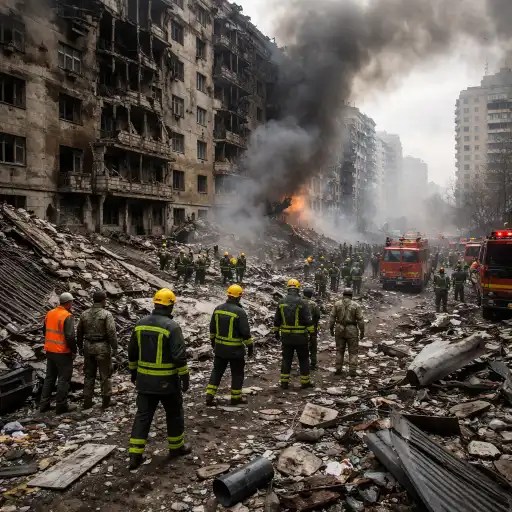
In the complex landscape of international diplomacy, voices of moderation and strategic foresight are often drowned out by populist rhetoric and partisan gamesmanship. Today, the war in Ukraine continues to devastate lives, reshape global alliances, and test the resolve of Western democracies. In this volatile context, one American politician stands out as uniquely capable of negotiating peace: Senator Marco Rubio.
Rubio, the senior senator from Florida, has long been recognized for his deep understanding of foreign policy, particularly on issues concerning Eastern Europe and authoritarian regimes. Unlike many of his contemporaries, Rubio combines a strong anti-Kremlin stance with an awareness of the nuanced realities that drive Russian geopolitical thinking. This rare blend makes him an ideal figure to lead back-channel negotiations and build a credible peace framework.
However, Rubio’s potential as a peacemaker is being actively undermined from within his own political party. Former President Donald Trump and Ohio Senator J.D. Vance have both adopted positions that not only complicate efforts at peace but also threaten to embolden Moscow. Trump’s admiration for Vladimir Putin and his disdain for NATO have created a chilling effect on any Republican initiative to support Ukraine meaningfully. Meanwhile, Vance has echoed isolationist sentiments, questioning whether the U.S. should be involved in the conflict at all.
Their influence within the GOP has marginalized figures like Rubio, who still believe in American leadership on the world stage. As Trump remains the dominant force in the Republican Party and Vance increasingly aligns himself with Trump’s worldview, Rubio’s more measured and diplomatic voice risks being silenced.
This internal conflict is not just a matter of party dynamics—it has real-world consequences. The longer the war drags on, the more lives are lost and the greater the danger of a wider European conflict. Rubio’s sidelining could be a missed opportunity for peace, one that history may judge harshly.
In the end, the question is whether America will recognize the value of diplomatic leadership over populist grandstanding. Marco Rubio, with his experience, balance, and strategic insight, represents a path to peace that is rapidly slipping away—obstructed not by foreign enemies, but by voices from within his own ranks.
If there is to be a broker for peace, it must be someone who understands both the stakes and the players. Rubio fits that profile. But until Trump and Vance cease their obstruction, the world may be forced to watch a war continue that could have ended at the negotiating table.

 The Tower Post