A Blow to Human Rights Advocacy in an Increasingly Repressive State
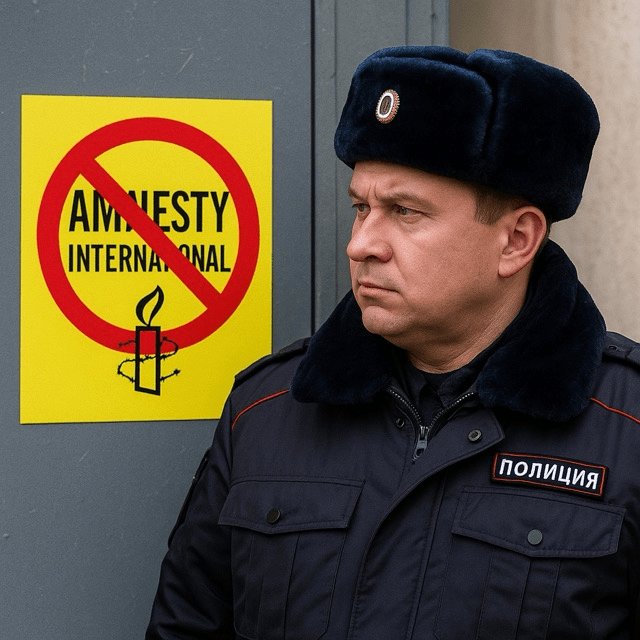
In a move that has sent shockwaves through the global human rights community, the Russian government has officially banned Amnesty International from operating within its borders. This decision marks a significant escalation in Moscow’s campaign to suppress dissent and isolate itself from international scrutiny.
The Ministry of Justice cited vague legal grounds for the ban, labeling Amnesty International a “foreign agent” and accusing it of undermining national security. Human rights experts and global observers, however, view this as a thinly veiled effort to eliminate independent oversight and silence criticism of Russia’s deteriorating civil liberties.
Amnesty International has been a vocal critic of numerous Russian government policies, including its treatment of political prisoners, suppression of LGBTQ+ rights, censorship of the press, and military actions abroad. For years, the organization provided crucial documentation of abuses and gave voice to many silenced under President Vladimir Putin’s regime.
The expulsion of Amnesty fits into a broader pattern of repression that has intensified since the invasion of Ukraine and the rise of domestic unrest. NGOs, independent journalists, and opposition leaders have all faced increasing pressure, harassment, and in many cases, outright imprisonment. Amnesty’s banishment is just one more piece of a strategy aimed at dismantling civil society.
International reactions have been swift and condemning. Leaders from the European Union, the United Nations, and the United States have denounced the decision, warning that it signals a deeper retreat from democratic norms and further isolation for Russia on the world stage. Amnesty International itself has vowed to continue its work remotely, promising that it will not be silenced.
The move also has severe consequences for Russian citizens. Without organizations like Amnesty International, victims of state abuse lose a vital ally in their struggle for justice. It weakens the infrastructure of accountability, emboldens authoritarian practices, and erodes public trust in legal institutions already marred by politicization.
While the Kremlin may believe it has neutralized a threat, the long-term cost of such repression is profound. The global community must recognize the pattern unfolding in Russia and respond not only with condemnation but with concrete support for those still striving for transparency and human rights.
The banning of Amnesty International in Russia is more than a bureaucratic act—it is a symbolic and practical attack on the ideals of justice, freedom, and human dignity. And as the world watches, the question remains: who will be next?


 The Tower Post