High-level talks focus on security, economic partnership, climate resilience, and migration cooperation

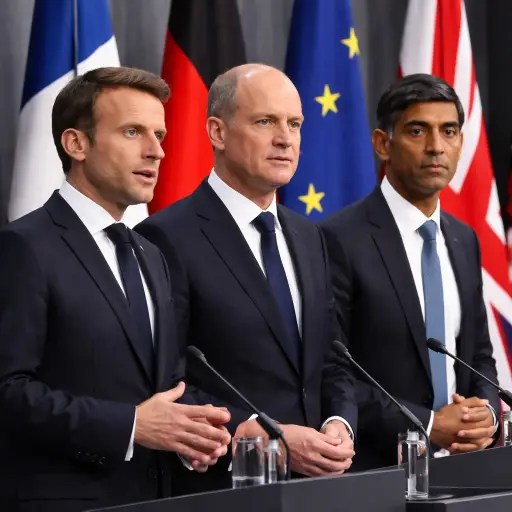
Foreign ministers from the European Union and the African Union met in Brussels on May 20, 2025, to deepen strategic cooperation between the two continents. The high-level meeting brought together senior diplomats from over 50 countries to address key global challenges, including regional security, economic development, climate adaptation, and migration governance.
Hosted at the EU headquarters, the summit marked the first formal ministerial dialogue between the two blocs since 2022, reflecting growing urgency in forging stronger intercontinental ties in the wake of mounting geopolitical instability. EU High Representative for Foreign Affairs Josep Borrell and AU Commissioner for Political Affairs Bankole Adeoye co-chaired the dialogue.
Opening the session, Borrell emphasized the need for a ‘renewed and equal partnership’ built on mutual interests and shared values. “Europe and Africa are facing parallel challenges—from climate shocks to economic recovery—and we must address them together,” he said. Adeoye echoed the sentiment, calling for ‘actionable commitments’ and a rebalancing of power in development frameworks.
The agenda included an in-depth discussion on security cooperation in the Sahel region, where extremist violence has surged amid political instability. EU foreign ministers pledged additional funding for peacekeeping missions and training programs, while African counterparts urged for more flexible and localized approaches to stabilization.
Economic relations also featured prominently. Several African ministers highlighted the need for fairer trade terms and increased investment in infrastructure and technology. The EU announced a €1.2 billion initiative under its Global Gateway strategy to support green and digital transitions across the continent. Specific projects will target renewable energy grids, vocational training, and digital entrepreneurship hubs in West and East Africa.
Climate change and adaptation were also central themes. Ministers discussed joint responses to extreme weather events, deforestation, and food insecurity. The EU reaffirmed its commitment to mobilize climate finance, while the AU pushed for stronger representation in global climate negotiations and more transparent access to green funds.
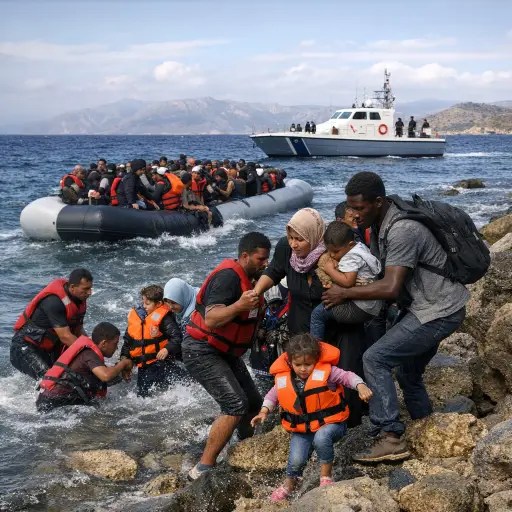
On migration, the two sides sought to move beyond crisis-driven responses. They agreed to pilot new mobility partnerships that emphasize skills development, legal pathways, and human rights protections. “Migration is not a threat; it’s an opportunity—if managed responsibly,” said Ghanaian Foreign Minister Shirley Ayorkor Botchwey.
Civil society and youth leaders from both continents were also invited to present recommendations. Their voices added urgency to calls for transparency, inclusive governance, and accountability mechanisms in implementing bilateral commitments.
While the tone of the meeting was largely constructive, tensions surfaced over Europe’s role in past vaccine distribution and the conditionality of development aid. African delegates reiterated the need for partnerships grounded in respect, not paternalism.
The Brussels dialogue concluded with a joint communiqué outlining priority actions for the next 24 months. These include launching a bi-continental task force on digital inclusion, expanding cultural exchange programs, and streamlining visa processes for students and researchers.
Observers praised the summit for its ambitious scope and diplomatic tone. “The real test will be implementation,” said Lise Olsen, a senior fellow at the European Centre for Development Policy Management. “But this meeting set a much-needed foundation for a 21st-century EU-Africa relationship.”
 The Tower Post