A Natural Transition: Former Soldiers Bring Valuable Skills to the World of Cybersecurity

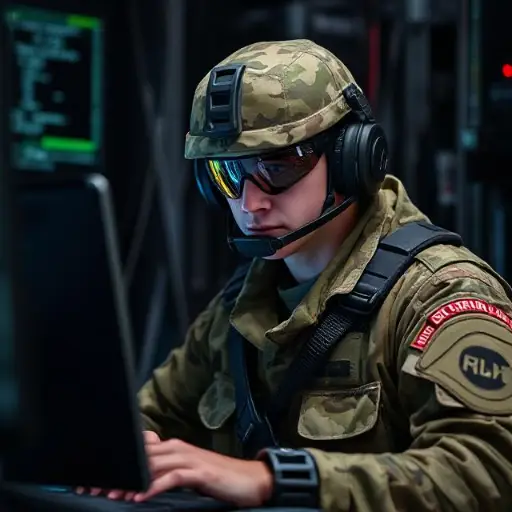
The contrast between leading a foot patrol through a conflict zone and working in a security operations centre (SOC) may seem stark, but for many military veterans, the skills they honed on the battlefield are proving to be a perfect fit for a career in cybersecurity. James Murphy, a former infantryman and now director of veterans and families at the Forces Employment Charity, says that the vigilance and instinct developed during military service are precisely the qualities that the cybersecurity industry is looking for.
Cyberattacks are a fact of life for organizations worldwide, and the UK’s armed forces have recently launched an accelerated training program to bolster its cyber capabilities. However, there has long been a steady march of military veterans into the cybersecurity sector. In the UK, the Forces Employment Charity’s TechVets program typically helps 15 to 20 people a month into employment, with between 40 and 60% of those going into cybersecurity. This is a much-needed supply of workers, as the global shortfall of cyber professionals stands at four million, according to the World Economic Forum.
For veterans like Mo Ahddoud, the transition into cybersecurity was a natural one. Ahddoud spent 10 years in the Royal Artillery, serving tours in Northern Ireland, Bosnia, and Germany, before leaving in 1999. He took online courses in computer applications and studied PC repair as part of his resettlement process, eventually moving into support desk work and finding his way into cybersecurity. Ahddoud’s military training has always informed his approach to cybersecurity, and he recalls being told by an officer that it’s not so important how deep a soldier can dig, but rather how they can fix problems and deal with risk.
Veterans are particularly suited to roles in so-called blue teams, says Catherine Burn, associate director at cybersecurity recruitment firm, LT Harper. These roles involve security operations, incident response, and forensics, and require strong team players who can keep their cool under stress. Crystal Morin, a cybersecurity strategist at US security firm Sysdig, says that her military training has been invaluable in her career, and that she has no regrets about transitioning from the military to the private sector.
While the cybersecurity world has much to offer veterans, it’s not without its challenges. Onboarding processes can vary between organizations, and a lack of standardization and job titles can be a contrast with the highly organized military world. However, employers have become more aware of the skills that veterans bring, and many are eager to hire and retain them. As Murphy says, the key is pinpointing the sort of organization they want to work in, where they can make a meaningful contribution and feel like they belong.
For veterans like Morin, the transition into cybersecurity has been a rewarding one, but it’s not without its trade-offs. While she enjoys the problem-solving and adrenaline rush of working in a SOC, she misses the direct impact of working in the military. As she says, “I do miss being able to take down the bad guys and defend the world… I can’t so much put folks in jail anymore.” Despite these challenges, the trend of military veterans transitioning into cybersecurity is likely to continue, and one that will be closely watched by the industry as a whole.
a