Analyzing the Performance of EU Stock Exchanges in the First Quadrimester of 2025
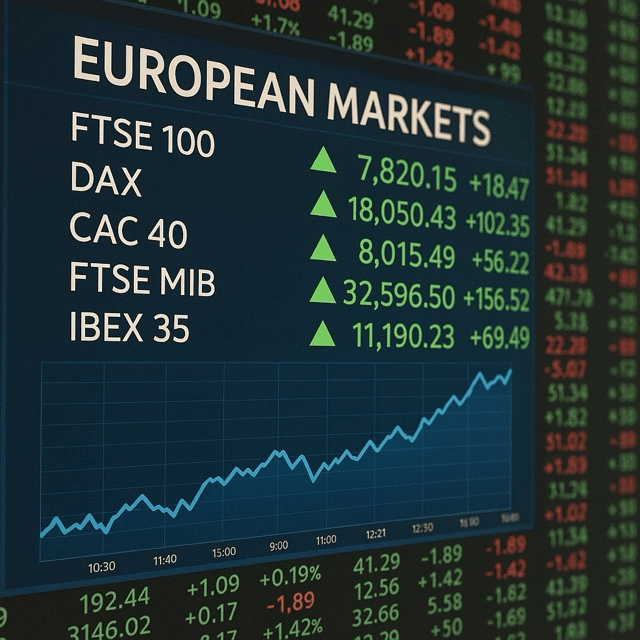
As the first quadrimester of 2025 comes to a close, European stock markets have delivered a mixed performance, reflecting global economic uncertainties, fluctuating energy prices, and diverging monetary policies within the eurozone. Major indices across the continent have shown resilience despite pressures from geopolitical tensions and persistent inflation in some member states.
The pan-European STOXX Europe 600 index posted a modest gain of 3.1% from January through April, buoyed by strong showings in the technology and energy sectors. Notably, renewable energy companies and semiconductor firms contributed significantly to the uptick, spurred by continued digital transformation and EU green initiatives.
Germany’s DAX index climbed 4.7% during the same period, powered by a rebound in industrial production and better-than-expected corporate earnings from automakers and manufacturing giants. Meanwhile, France’s CAC 40 saw a steadier 2.3% increase, with luxury goods and pharmaceuticals maintaining investor confidence despite slower retail growth.
On the other hand, southern European markets faced more volatility. Italy’s FTSE MIB index edged up only 0.9%, struggling under the weight of rising bond yields and fiscal policy uncertainty following political gridlock in Rome. Spain’s IBEX 35 fared slightly better with a 1.6% increase, thanks to stronger-than-expected tourism figures and a resilient banking sector.
Brexit-related adjustments continued to influence the UK’s FTSE 100, which rose by 2.5%. Although the UK is no longer an EU member, its economic ties and market correlation remain influential in broader regional dynamics.
Sector-wise, the technology sector led gains across most exchanges, reflecting investor appetite for AI, cloud computing, and cybersecurity. Financials were steady, while consumer discretionary stocks faced downward pressure amid still-high interest rates and muted wage growth.
The European Central Bank (ECB) maintained a cautious stance, opting to hold rates steady while signaling potential easing later in the year depending on inflation trajectories. This wait-and-see approach has contributed to subdued market volatility, though analysts caution that policy divergence between the ECB and the US Federal Reserve could introduce currency pressures in Q2.
Investor sentiment remains cautiously optimistic, with capital inflows returning to EU-focused equity funds for the first time since mid-2023. Analysts highlight improved corporate earnings, stable dividends, and ongoing digital and green infrastructure investment as key factors behind renewed interest.
In summary, the first four months of 2025 have showcased a continent adapting to complexity with tempered confidence. While challenges remain, the structural foundations of the European economy appear robust, and the region’s equity markets continue to offer pockets of opportunity for discerning investors.




 The Tower Post