Remnants of Shining Path and the Growing Influence of Narco-Trafficking in the Amazon
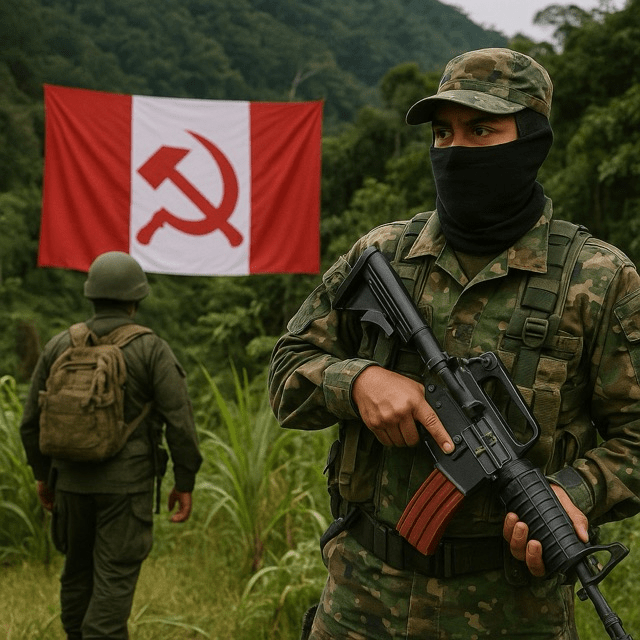
In the dense and often impenetrable jungle of Peru’s VRAEM region (Valley of the Apurímac, Ene and Mantaro Rivers), shadows of the past linger amidst the growing presence of a new threat. Long after the official defeat of the Maoist guerrilla group Sendero Luminoso (Shining Path), its remnants remain deeply entrenched in the region—now largely involved in narcotrafficking operations rather than revolutionary activities.
This area, difficult to access and poorly governed, provides the perfect sanctuary for criminal enterprises. The former ideological warriors of the Shining Path have transformed into pragmatic actors in the cocaine trade. Collaborating with or coercing local farmers, they oversee the cultivation and transport of coca, the raw material used in cocaine production. What was once a political insurgency has evolved into a lucrative criminal network.
The Peruvian government continues to label these groups as terrorists, though their operations today are primarily economic. Military operations in the region have achieved sporadic successes, capturing or killing key figures. Yet, the lack of sustainable development, infrastructure, and state presence means these victories are short-lived. The cycle of violence, intimidation, and poverty continues, with local communities caught in the crossfire.
Cocaine produced in the VRAEM region is transported through a variety of clandestine routes—overland into Bolivia and Brazil, or via small aircraft and riverboats heading to the Pacific and Atlantic coasts. These operations are sophisticated and heavily armed, often involving former guerrillas with extensive jungle warfare experience. International criminal organizations have found willing partners and reliable logistics in these hardened remnants of insurgency.
Human rights groups and investigative journalists have raised alarms about the deepening humanitarian crisis in the jungle. Indigenous communities face forced recruitment, extortion, and displacement. Young people, lacking educational or economic opportunities, are drawn into the trade as laborers or lookouts, perpetuating the cycle of criminality.
Peru’s national police and armed forces are stretched thin, and their presence is often met with distrust by local populations who have endured decades of conflict. Corruption within local and regional governments further hampers counter-narcotic efforts, as bribes and threats keep law enforcement at bay.
International cooperation, particularly with the United States and neighboring countries, has helped bolster intelligence-sharing and joint operations. However, experts agree that without addressing the root causes—poverty, isolation, and lack of opportunity—the cycle is unlikely to break.
In conclusion, the legacy of Sendero Luminoso continues to haunt Peru not through ideology, but through illicit enterprise. The jungles that once echoed with revolutionary slogans now reverberate with the sounds of clandestine industry. A multifaceted and sustained approach is needed—one that includes not only military and police efforts but also long-term investment in education, health, and infrastructure—to reclaim the region and offer its people a future beyond violence and crime.




 The Tower Post