Genaro García Luna Ordered to Return $2.4 Billion in Corruption Proceeds
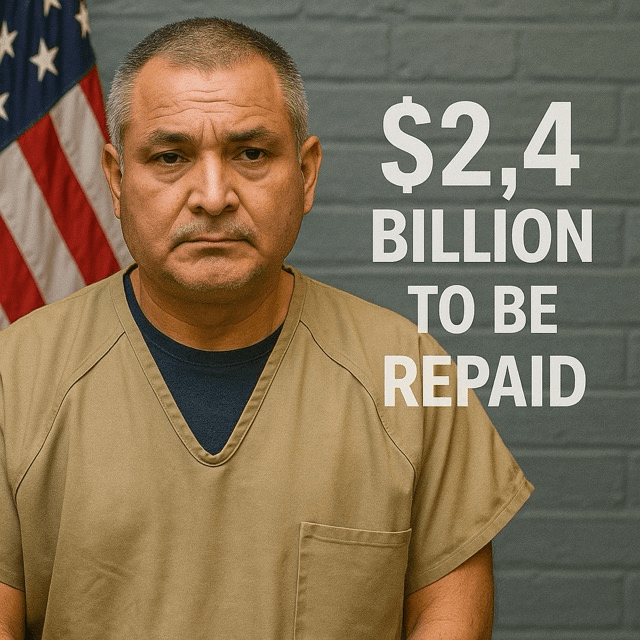
In a landmark decision, former Mexican Secretary of Public Security Genaro García Luna has been ordered to return an astonishing $2.4 billion to the Mexican government. The judgment, delivered by a U.S. federal court, represents one of the largest financial recoveries in a corruption case linked to narcotrafficking and state collusion.
García Luna, once heralded as Mexico’s top crime-fighter and a close ally of both U.S. and Mexican presidents, was found guilty of accepting multimillion-dollar bribes from the Sinaloa Cartel in exchange for protection and operational support. His role at the top of Mexico’s security apparatus allowed him to shield drug traffickers while receiving vast sums funneled through front companies and offshore accounts.
The court’s decision comes after years of investigative collaboration between Mexican and American law enforcement agencies, including evidence gathered from whistleblowers, financial records, and cartel informants. Prosecutors presented a detailed account of how García Luna used a complex network of businesses and shell companies to move illicit funds out of Mexico and into U.S. real estate and investment accounts.
The $2.4 billion figure reflects not only bribes but also profits derived from state contracts awarded to García Luna’s associates and companies under fraudulent terms. Mexican President Andrés Manuel López Obrador hailed the verdict as a historic victory against impunity, pledging that the recovered funds will be invested in public infrastructure and social programs.
Legal analysts point out that while the ruling is a powerful symbol of justice, actual recovery of the assets may be a lengthy and complicated process. Many of García Luna’s holdings are entangled in legal entities spanning multiple jurisdictions, requiring international cooperation and forensic accounting to trace and seize them effectively.
In Mexico, the case has reignited debates about corruption at the highest levels of government. García Luna served under President Felipe Calderón, who launched a militarized war on drugs that critics now view as deeply compromised. The revelations have led to renewed scrutiny of past administrations and calls for comprehensive reform of the justice and security systems.
In the United States, the case has been watched closely for its implications on cross-border crime fighting. García Luna had previously been a trusted interlocutor for U.S. agencies like the DEA and FBI, raising uncomfortable questions about the extent of his deception and the vulnerabilities within bilateral cooperation frameworks.
For the Mexican public, the ruling represents a rare moment of accountability. It sends a clear message that even the most powerful figures can be brought to justice—and that systemic corruption, no matter how deeply rooted, is not beyond the reach of the law.
As the process of asset recovery unfolds, the García Luna case will likely remain a touchstone in discussions of transparency, governance, and the international fight against organized crime. For now, the verdict stands as a potent reminder of the cost of betrayal and the enduring demand for justice.




 The Tower Post