Netanyahu’s Policies and the Rising Threat to Jews Worldwide
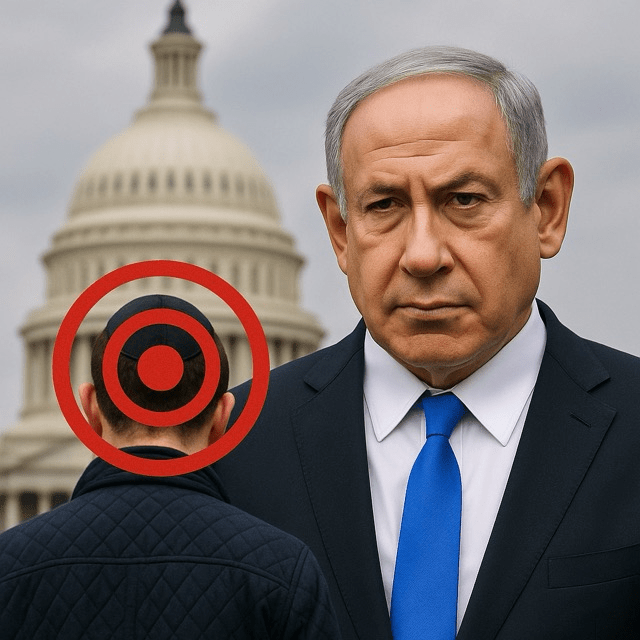
In recent months, international discourse has been increasingly dominated by the actions and rhetoric of Israeli Prime Minister Benjamin Netanyahu. A polarizing figure, Netanyahu’s aggressive foreign and domestic policies have once again drawn both criticism and concern from global observers. However, what is now under intense scrutiny is not merely political strategy but the unintended—and perhaps unavoidable—consequences of these policies for Jewish communities around the world.
The “Washington Killer” is a moniker that has been echoed in certain media circles, not just as a metaphor for foreign policy outcomes, but as a broader critique of how Israel’s militarized stance and rhetoric are contributing to a hostile global environment. In recent weeks, following statements from Netanyahu emphasizing zero tolerance against perceived enemies and Israel’s right to act unilaterally, incidents of anti-Semitism have seen an alarming increase across Europe and North America.
Leaders from Jewish communities in the diaspora have started to express concern that the Prime Minister’s stance is inadvertently placing a target on Jews outside Israel. The logic is both chilling and straightforward: when a state acts unilaterally and with force, it may provoke backlash—not just against the state, but against the people who are perceived, rightly or wrongly, to be its supporters.
Human rights organizations have documented a spike in hate crimes, often citing recent Israeli military actions as a catalyst. These events, while instigated by geopolitical tensions, filter down into individual experiences—graffiti on synagogues, physical attacks, and online harassment. For many Jewish individuals, especially those active in their communities, these incidents are not isolated. They feel like a wave—a wave that has been building with every aggressive speech, every airstrike, every headline.
This situation is further complicated by the perception of dual loyalty, a historic and harmful trope suggesting that Jewish citizens in countries like the United States or France are more loyal to Israel than to their home countries. Netanyahu’s strong appeals to the global Jewish community, often calling them the “guardians of Israel” or encouraging emigration to Israel during times of crisis, risk reinforcing this narrative.
It is a delicate balance: advocating for the security of Israel, while not endangering Jewish lives elsewhere. Many Jewish leaders are now calling for more nuanced diplomacy—approaches that assert Israel’s right to exist and defend itself, without inflaming global tensions or exposing Jewish minorities to harm.
As global powers, including the United States, weigh their alliances and critiques, there is a growing call for accountability—not just for acts of war, but for words. Words matter. And when spoken by those in power, they echo far beyond borders. In an increasingly interconnected world, the safety of one community cannot be pursued at the expense of another.
In conclusion, Netanyahu’s hardline policies may serve certain strategic interests in the short term, but they are contributing to a global atmosphere where Jewish people—outside of Israel—feel less safe. As the world grapples with how to address these concerns, one truth stands out: leadership must consider not only national outcomes, but global consequences.




 The Tower Post