How indirect negotiations over nukes, prisoners and regional de‑escalation survive election cycles and missile strikes.

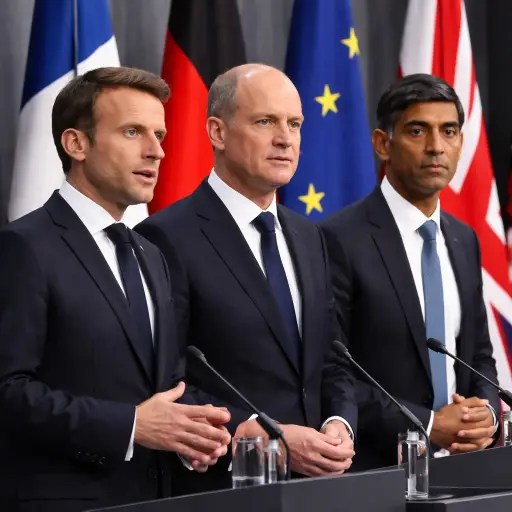
A fifth round of indirect U.S.–Iran negotiations wrapped up in Rome on 23 May 2025, lasting just over two hours and ending—yet again—without a formal breakthrough.
Still, both sides called the encounter “constructive,” thanked Oman for its mediation and agreed to reconvene in June. That willingness to keep talking, even as Supreme Leader Ali Khamenei dismisses Washington’s demand for zero enrichment and Israeli jets rehearse strike plans, underscores a paradox: while the public rhetoric grows harsher, the private dialogue continues.
From Doha to Rome: a 12‑month timeline
The current track began in Doha in April 2024, when Qatari officials arranged a hush‑hush prisoner‑exchange discussion. By July the venue shifted to Muscat, and since January 2025 delegations have met in Rome, a location chosen for its discreet Farnesina protocol rooms and direct flights to both capitals. Each round deals with three baskets—nuclear restraint, sanctions relief and regional de‑escalation—mirroring the defunct 2015 JCPOA but in piecemeal form.
What’s on the table
• Nuclear freeze: Iran would cap enrichment at 5‑percent U‑235 and mothball IR‑6 cascades at Fordow for 18 months. In return, the U.S. would issue limited oil‑export waivers worth up to 700,000 bpd and unfreeze \$7 billion in trapped Iranian assets.
• Prisoners: Talks in Muscat produced a draft list of dual nationals for exchange; negotiators now dispute sequencing and banking channels for a humanitarian transfer.
• Regional files: Tehran wants guarantees that U.S. forces will restrain Israeli strikes in Syria and Iraq; Washington presses Iran to curb Houthi missile launches into the Red Sea.
The mediators’ toolbox
Oman’s foreign minister, Badr al‑Busaidi, shuttles ‘non‑papers’ between hotel suites, while Italy provides discreet security and logistical cover. The European External Action Service, led by Enrique Mora, prepares technical annexes but keeps them off official letterhead to preserve deniability. Diplomats say the format mimics 1980s‑era ‘proximity talks’ on El Salvador: everyone complains, then schedules the next session.
Domestic headwinds on both shores
In Tehran, Khamenei’s 20 May speech rejecting a zero‑enrichment red line bolstered hardliners who view incremental deals as strategic traps. Yet the rial’s 18‑percent slide since January and youth unemployment topping 26 percent pressure the regime to chase sanctions relief. In Washington, Special Envoy Steve Witkoff faces a Republican Congress that accuses the White House of ‘appeasement 2.0’. Still, business lobbies see Iran’s 84 million‑strong market and keep quiet optimism alive.
Regional chessboard
Israel’s new unity government tested upgraded F‑35I ‘Adir’ jets over Cyprus in early May, and Gulf monarchies publicly back the U.S. demand for zero enrichment. But Saudi Arabia’s own civilian‑nuclear ambitions complicate the message; Riyadh seeks U.S. enrichment permission that mirrors Iran’s offer to limit centrifuge numbers. Meanwhile, Houthi missiles forced a three‑day closure of Eilat port in March, reminding all sides of the cost of stalemate.
Why the talks endure
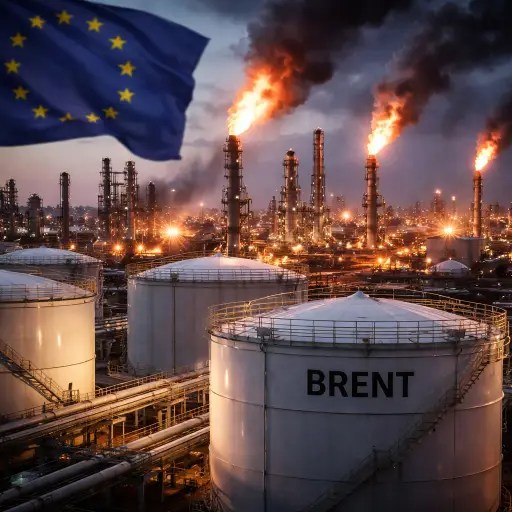
First, each side wants to prevent crisis escalation during a volatile U.S. election cycle and Iran’s March 2026 Assembly of Experts vote. Second, oil markets dislike surprises: Brent touched \$101 in April on rumors of an Israeli strike; a credible diplomatic track helps cap prices. Third, the prisoner basket offers immediate humanitarian wins that play well domestically.
Outlook: slow burn diplomacy
Diplomats now eye late‑June for the sixth round, again in Rome, with Oman drafting a single‑page ‘freeze‑for‑relief’ principles text. Even partial success—say, a 12‑month enrichment freeze—could calm the region and buy time for a larger bargain in 2026. Failure, however, would likely revive talk of military options and push the rial into free‑fall. For now, the phone lines (and hotel corridors) remain open—proof that back‑channel pragmatism can coexist with front‑stage hostility.
 The Tower Post