How high rents, location missteps and post‑pandemic consumer shifts doomed the gourmet emporium after less than three years.
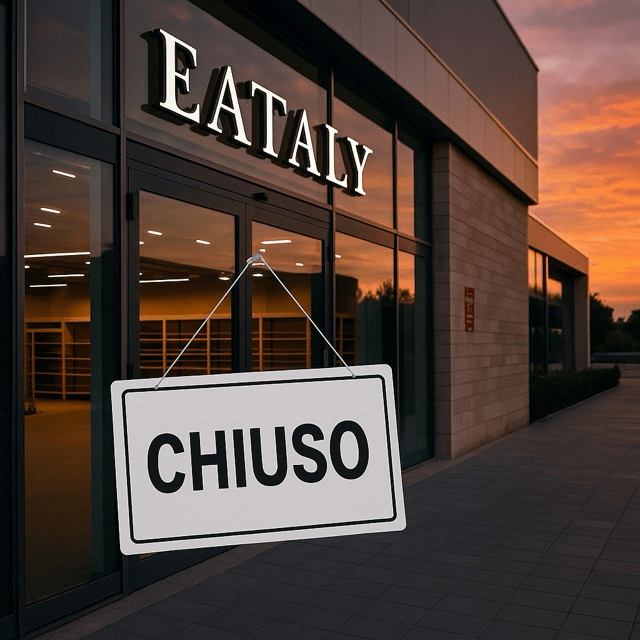
Italian food‑hall pioneer Eataly will shutter its Verona megastore this summer after posting an accumulated loss of €4.5 million since its October 2022 opening, according to local press reports. The decision marks the brand’s first retreat from an Italian city and raises questions about the viability of its “cathedral of food” format in an era of inflation‑weary diners.
An Ambitious Flagship in a Tricky Spot
The 11,000‑square‑metre store occupied the historic ‘Stazione Frigorifera’ at the former Magazzini Generali freight yards south of Verona’s centre. Despite architectural cachet and ample parking, the site sat well outside the tourist core and required a 15‑minute bus ride from Piazza Brà. Footfall soared at weekday lunch but fizzled at dinner, leaving costly dining areas empty most evenings.
Bleeding Cash: The Numbers
Corriere del Veneto cites internal figures showing operating losses of €2.7 million in 2023 and €1.8 million in the first four months of 2024, for a cumulative shortfall of €4.5 million. Rent alone ran to €96,000 per month on a 20‑year lease—triple the norm for Verona’s retail park zone. Add energy‑hungry refrigeration, artisanal supply chains and a payroll of 70 employees, and breakeven quickly drifted out of reach.
Why the Formula Misfired
Price perception: Locals balked at €5 espresso flights and €23 pasta plates, reinforcing the image of Eataly as a tourist indulgence. Hybrid identity: Part supermarket, part restaurant, part event space, the venue struggled to differentiate itself from nearby ‘ipermercati’ on grocery staples, yet couldn’t match fine‑dining service in its table‑service areas. Changing consumer mix: Post‑pandemic tourism recovered in Verona’s old town but rarely spilled south to the freight‑yard district. Remote work also sapped weekday commuter traffic.
Corporate Context
Eataly—now 52 percent owned by investment firm TIP and the Bastianich and Farinetti families—is pursuing an IPO by 2027 and has accelerated overseas expansion (São Paulo opened in April 2025). Management framed the Verona exit as ‘portfolio optimisation’, stressing that group EBITDA remains positive. Yet analysts warn that closing a flagship only 32 months after launch could dent valuation talks with potential investors.
What Happens to Staff and Site?
The company says it will offer relocation to stores in Milan, Bologna and Turin or redundancy packages compliant with Italy’s ‘Cassa Integrazione’ wage‑guarantee scheme. Verona’s city council has signalled openness to converting the landmark site into a multi‑tenant food‑innovation hub, with negotiations reportedly underway with two craft‑brewery chains.
Signals for the Wider Food‑Hall Boom
Eataly’s stumble adds to a series of setbacks for experiential food halls across Europe as high‑interest rates and utility bills squeeze margins. Berlin’s Markthalle IV project is on hold, and UK operator Market Halls entered administration in March. Still, successful revamps—La Felicità in Paris, Mercato Centrale in Milan—suggest scale and curation matter as much as macroeconomics.
Conclusion
Verona’s closure is less a death knell for the Eataly brand than a cautionary tale about over‑extending premium concepts into secondary catchment areas during volatile times. For patrons, the good news is that many of the site’s artisan partners will relocate to smaller venues around the city. For Eataly, the challenge is clear: marry its slow‑food ethos with financial discipline before investors lose their appetite.




 The Tower Post