From Consensus to Confrontation – The Global Shift Toward Extremes
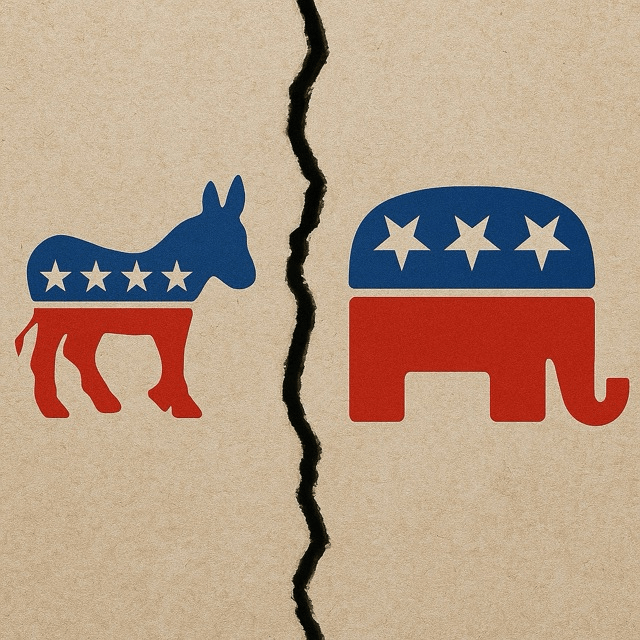
In recent years, the political landscape across much of the world has undergone a profound transformation. The center ground of politics—once the realm of consensus, pragmatism, and broad-based policy-making—is shrinking rapidly. In its place, more radical ideologies on both the left and right are taking hold, fueling division, gridlock, and public disillusionment.
This era of polarization is not confined to one nation or region. From the United States and Brazil to Hungary and India, voters are increasingly drawn to leaders and parties that promise clear, uncompromising solutions to complex problems. Often, this means adopting extreme positions that appeal to emotional or identity-driven concerns rather than nuanced policy debate.
The causes of this polarization are multifaceted. Economic inequality, social media algorithms, cultural anxiety, and distrust in institutions have all played significant roles. These forces create echo chambers in which citizens are rarely exposed to opposing views, reinforcing their beliefs and increasing hostility toward the “other side.”
In many democracies, traditional centrist parties have struggled to adapt. Their failure to address urgent issues like climate change, immigration, or economic insecurity has led many voters to abandon them in favor of more vocal, populist alternatives. The result is a splintered electorate and paralyzed legislative bodies unable to build consensus.
Social media platforms have further accelerated the drift away from the center. Designed to maximize engagement, these platforms often amplify sensational and divisive content. As political discourse becomes more combative online, the boundaries of what is considered acceptable speech shift, encouraging more extreme rhetoric in public debates.
The consequences of this shift are far-reaching. Compromise, a cornerstone of functional democracies, becomes increasingly rare. Policies swing dramatically with each election, fostering instability. Public trust in democratic institutions erodes as political dialogue degenerates into shouting matches and tribalism.
Yet, not all is bleak. Around the world, new movements and leaders are emerging to counteract polarization. Civic education initiatives, bipartisan coalitions, and grassroots campaigns aimed at rebuilding dialogue and trust are gaining traction. There is growing recognition that democracy cannot thrive without some degree of shared understanding and mutual respect.
To reverse the tide, both political leaders and citizens must recognize the dangers of abandoning the center. This does not mean ignoring ideological convictions, but rather finding common ground where possible and engaging in good-faith debate. In a time of division, the middle path may be harder to find—but it is also more essential than ever.
As the world confronts increasingly complex global challenges, from climate change to technological disruption, the ability to forge broad coalitions and find balanced solutions will determine the resilience of our political systems. The age of polarization may define our present, but the future remains unwritten.

 The Tower Post