Skyrocketing Demand for Compute Power Drives Infrastructure Growth and Strategic Investments
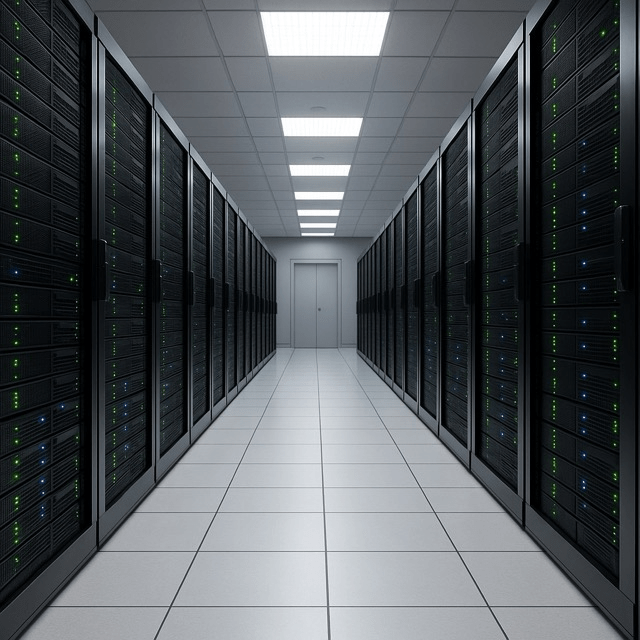
As artificial intelligence technologies sweep across industries, the European Union is experiencing a sharp rise in demand for data centers—critical infrastructure that powers the algorithms, machine learning models, and real-time analytics that define the digital age. This surge, fueled by the AI boom, is reshaping the continent’s technological landscape and pushing both public and private sectors to rapidly expand computational capacity.
From Frankfurt to Amsterdam, Dublin to Warsaw, new data center projects are breaking ground or expanding at record pace. These facilities, often referred to as the digital factories of the 21st century, are now viewed as essential assets for national competitiveness and innovation. Governments are rolling out incentives, fast-tracking permits, and updating energy policies to accommodate the growing needs of AI-driven systems.
Tech giants such as Google, Amazon, Microsoft, and Meta have intensified investments across Europe, building hyperscale data centers that can house tens of thousands of servers. But it’s not just global firms: European startups and research institutions are also demanding compute power for AI training, automation, and scientific discovery.
The growing reliance on large language models, generative AI, and real-time data analysis has drastically increased the need for low-latency and high-throughput data infrastructure. As a result, cities with strong connectivity, energy resilience, and political stability have become hotspots for expansion. The European Commission has acknowledged this shift by prioritizing digital infrastructure in its Digital Decade strategy, recognizing data centers as vital for digital sovereignty.
However, this rapid growth is not without challenges. Energy consumption and environmental impact are becoming major concerns. AI training can be incredibly power-intensive, and data centers require cooling systems and uninterrupted energy supply, often straining local grids. To address this, many new facilities are being built with sustainability in mind—incorporating renewable energy, heat reuse systems, and water-efficient cooling technologies.
Moreover, the AI-data center boom is prompting regulatory discussions around data localization, cybersecurity, and ethical AI. Policymakers are working to balance economic opportunity with digital rights and ecological responsibility.
The future of Europe’s digital economy is being written in real time—and the server rooms humming across the continent are its foundation. As the AI revolution accelerates, the need for powerful, sustainable, and secure data centers will only grow.
For the EU, the challenge is clear: build fast, build green, and build smart. The AI boom is here, and the infrastructure must follow.




 The Tower Post