The Progressive Coalition Achieves Resounding Success in May 2025, Sets Sights on National Policy Change
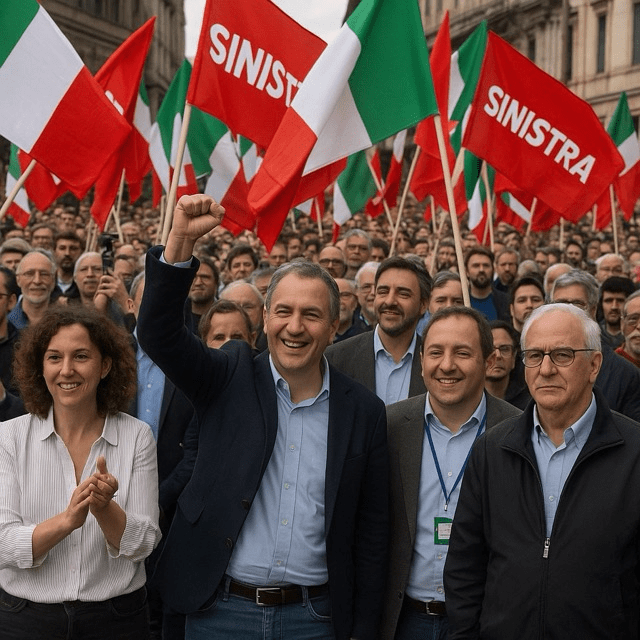
In a dramatic turn of events, Italy’s progressive “campo largo” (broad left) coalition has achieved a sweeping victory in the May 2025 municipal elections, consolidating power across major cities and regional capitals. The success has energized the left-wing political spectrum and positioned the coalition to strongly influence the upcoming national referendums scheduled for June.
Led by the Democratic Party (PD), alongside the Five Star Movement (M5S), Green Europe, and Sinistra Italiana, the alliance presented a united front after years of fragmentation. Their campaign focused on social justice, climate action, labor rights, and defending democratic institutions—striking a chord with an electorate weary of polarization and economic stagnation.
From Milan to Naples, Bologna to Palermo, the left’s candidates triumphed not only in traditional strongholds but also in key swing cities. Voter turnout exceeded expectations, particularly among young Italians and urban professionals, many of whom were motivated by concerns over rising inequality, environmental degradation, and threats to civil liberties.
Political analysts suggest that the right-wing bloc, including Brothers of Italy (FdI) and the League, misjudged voter sentiment. Internal divisions and controversial rhetoric alienated centrist voters, opening a path for the campo largo to present itself as a credible alternative capable of governance and reform.
Attention now shifts to the referendums scheduled for June 2025, which include critical measures on judicial reform, climate regulations, and the structure of public broadcasting. These referendums are widely viewed as a litmus test for Italy’s democratic direction and the durability of the left’s resurgence.
Prime Minister Giorgia Meloni, facing intense pressure, has acknowledged the setback and called for national unity, but her government now stands on uncertain ground. Meanwhile, PD leader Elly Schlein has called the local election results “a historic signal from the Italian people for change, inclusion, and progress.”
The coalition’s next challenge is to maintain unity and translate electoral momentum into concrete legislative success. If victorious in the referendums, the campo largo could reshape Italy’s institutional framework and signal a broader ideological shift in European politics.
For now, the mood across the Italian left is one of cautious optimism. After years in the political wilderness, the progressive alliance has not only found its footing but is now poised to lead a new chapter in Italy’s evolving democratic story.




 The Tower Post