Tokyo Expands Arms Procurement to Non-American Suppliers Amid Strategic Shifts
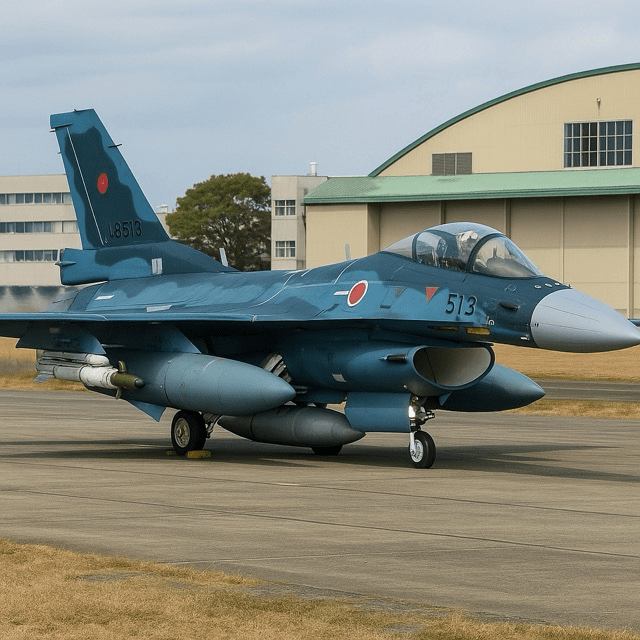
In a significant policy shift, Japan has begun accelerating its openness to military suppliers outside of the United States, signaling a new era in its national defense strategy. While Tokyo has long relied on American-made weaponry due to the historic security alliance and deep military-industrial ties, it is now expanding its procurement options to include European and regional partners.
The move reflects Tokyo’s growing urgency to enhance its defense capabilities amid increasing geopolitical tensions in the Indo-Pacific. With China’s military assertiveness on the rise and North Korea continuing its missile tests, Japan is seeking both diversification and resilience in its defense procurement strategies.
Recent deals with British, French, and Italian defense firms highlight Japan’s willingness to forge new paths in arms development and technology transfer. Notably, Japan has joined forces with the United Kingdom and Italy for the Global Combat Air Programme (GCAP), a next-generation fighter jet initiative aimed at replacing existing platforms by the 2030s. This cooperation marks one of the most ambitious multinational defense projects Tokyo has ever undertaken outside its traditional alliance with the U.S.
By opening its market to non-American suppliers, Japan also aims to stimulate domestic defense innovation. Local firms can benefit from technology-sharing agreements and collaborative production, boosting the country’s long-term military self-sufficiency. This aligns with Prime Minister Fumio Kishida’s broader vision of strengthening Japan’s strategic autonomy.
However, the policy shift is not without risks. U.S. officials have expressed concerns about interoperability and security standards, fearing potential divergence in systems and platforms. Nevertheless, Tokyo has reassured Washington that the diversification is meant to complement—not replace—the longstanding U.S.-Japan alliance.
Experts say the transition is pragmatic rather than political. “Japan isn’t turning its back on the U.S.,” says defense analyst Hiroshi Takeda. “It’s simply responding to a changing threat landscape by increasing flexibility and reducing over-dependence on any single partner.”
In doing so, Japan joins a growing number of countries reassessing their defense procurement in a multipolar world. As global arms markets evolve and security dynamics become more complex, Japan’s move could serve as a model for mid-sized powers looking to balance traditional alliances with new strategic realities.
Ultimately, Tokyo’s diversification may usher in a more resilient, technologically advanced defense posture—one that reflects not only a reaction to immediate threats, but a forward-looking vision for Japan’s role in regional and global security.



 The Tower Post