Madrid Seeks Official EU Status for Regional Languages in a Bold Move for Cultural Inclusion
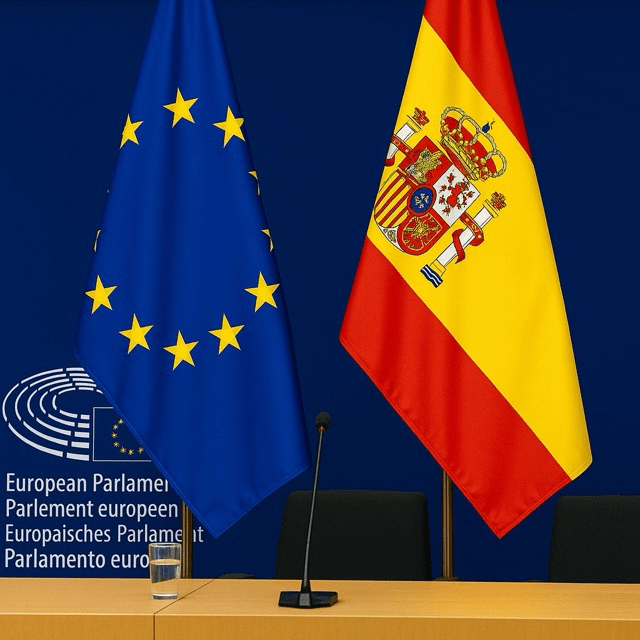
In a landmark move reflecting its commitment to cultural diversity and regional autonomy, Spain has formally requested that the European Union grant official language status to Catalan, Basque, and Galician. The proposal, brought forward by Spain’s government in Brussels, marks a historic step in recognizing the linguistic plurality that defines the country’s identity.
Currently, the EU recognizes 24 official languages, all of which enjoy full rights in institutions such as the European Parliament and the European Commission. Spain’s bid aims to elevate these three co-official languages to the same level, enabling their use in official EU documents, speeches, and correspondence.
Spain’s Foreign Minister described the proposal as “a natural extension of European democratic values,” arguing that it reinforces the EU’s motto: “United in diversity.” He added that millions of citizens across Catalonia, the Basque Country, and Galicia speak these languages daily and deserve recognition beyond national borders.
The move has been met with both enthusiasm and caution. In Barcelona, Bilbao, and Santiago de Compostela, regional leaders celebrated the initiative, viewing it as a validation of cultural identity and historical heritage. “This is not just about language—it’s about respect, dignity, and equality within the European framework,” stated a Catalan representative in Brussels.
However, some EU member states have expressed concerns over the financial and logistical implications of adding new official languages, including translation and interpretation costs. Critics also warn that the initiative might embolden separatist movements, especially in Catalonia, where the independence debate remains highly sensitive.
Despite the concerns, the proposal has found support among several multilingual countries such as Belgium and Finland, which see it as a progressive gesture that strengthens minority rights within the EU. The European Parliament is expected to debate the issue later this year, with a vote potentially following by the end of 2025.
Back in Spain, the push is being seen as a strategic move by Prime Minister Pedro Sánchez to solidify political alliances with regional parties, which are essential for his governing coalition. The effort is part of a broader agenda that includes decentralization and enhanced regional cooperation.
For the millions who speak Catalan, Basque, and Galician, the EU’s recognition would mark a turning point—a formal acknowledgment of their voices within the continental political sphere. Whether symbolic or practical, the measure carries immense cultural weight.
As Europe grapples with questions of unity, identity, and diversity, Spain’s request may redefine what it means to be European in the 21st century—not by suppressing difference, but by embracing it.

 The Tower Post