An Analysis of the Countries Navigating Economic Turbulence with Success

The global economy has endured a stormy period marked by high inflation, spurred by supply chain disruptions, energy shocks, and post-pandemic spending surges. As central banks raised interest rates to counter rising prices, some economies responded better than others. Now, more than two years into the inflationary wave, it’s time to ask: who is winning the fight against global inflation?
The Origins of the Inflation Spike
The inflation surge began in 2021 as economies reopened after the COVID-19 lockdowns. Pent-up demand met with constrained supply chains, leading to soaring prices in commodities, energy, and consumer goods. Russia’s invasion of Ukraine in 2022 compounded the crisis by disrupting global energy and grain markets, especially affecting Europe and emerging economies.
Central banks across the globe — from the U.S. Federal Reserve to the European Central Bank, the Bank of England, and others — responded with rapid interest rate hikes. While these moves tamed inflation in some countries, they also triggered concerns about recession and financial instability.
Countries Making Progress
United States: The Federal Reserve acted early and aggressively. By mid-2024, U.S. inflation had fallen close to the 2% target, thanks to monetary tightening, cooling demand, and labor market adjustments. The U.S. economy avoided a deep recession, though growth remains modest.
Switzerland and Japan: These economies never faced the same scale of inflation as others. In Japan, inflation rose after decades of stagnation but remained moderate. Switzerland, with its strong currency and stable economic model, kept inflation among the lowest in the OECD.
India and Brazil: Despite initial struggles, these emerging markets adapted quickly. Brazil, for instance, was among the first to hike rates, which helped stabilize prices. India managed inflation through targeted subsidies and fiscal measures, though food prices remain volatile.
Europe’s Uneven Path
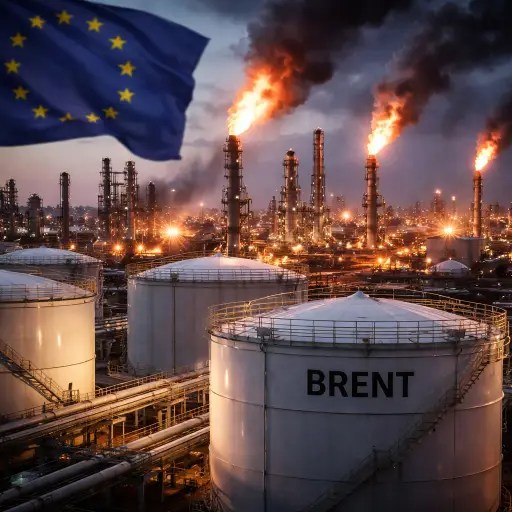
The European Union presents a mixed picture. Countries like Germany and the Netherlands succeeded in reducing inflation through tight monetary policy and reduced energy dependency. However, Southern European countries have struggled more due to structural weaknesses and higher exposure to energy imports.
The European Central Bank has walked a tightrope — raising rates without stalling fragile post-pandemic recoveries. Inflation has eased but remains stubbornly above target in several member states.
The Losers in the Inflation Battle
Turkey and Argentina remain cautionary tales. With inflation rates exceeding 50% in recent years, their central banks’ credibility has eroded due to erratic monetary policies, political interference, and lack of investor confidence. Citizens in both countries face shrinking purchasing power and currency instability.
Sub-Saharan Africa has also struggled. While inflation varies by country, global food and fuel prices have disproportionately impacted low-income households, amplifying poverty and political tensions.
Conclusion: A Long Road Ahead
Global inflation is receding, but the journey is far from over. The winners so far have combined credible institutions, early policy action, and social resilience. But new threats — from geopolitical shocks to climate-related disruptions — loom large.
Inflation may no longer be surging, but its effects will linger in public finances, consumer behavior, and political discourse. The real victory will belong to those who not only controlled inflation but also safeguarded economic inclusion and long-term stability.



 The Tower Post