Exploring the Social, Economic, and Psychological Factors Behind Urban Violence
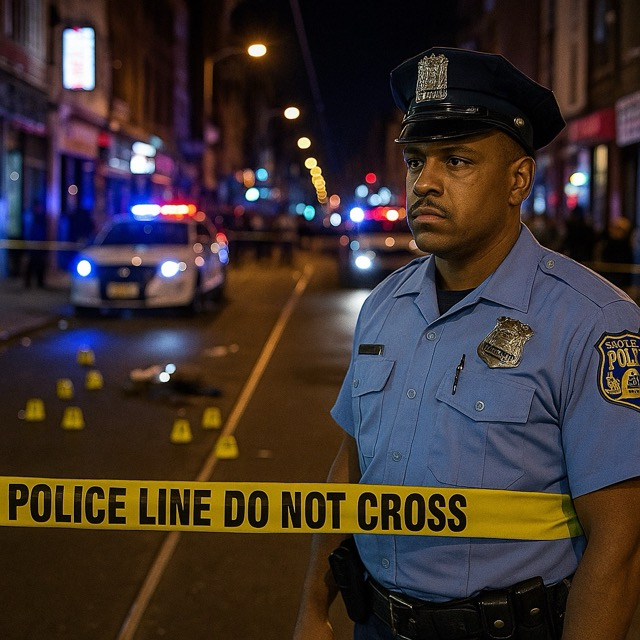
The city of Philadelphia, once known for its role in America’s founding, has become an all-too-frequent setting for tragic episodes of gun violence. The recent mass shooting that left multiple people dead and others injured has shaken the community, reigniting a national debate about the roots of hatred, alienation, and urban despair.
The Incident
On a quiet afternoon in one of Philadelphia’s densely populated neighborhoods, shots rang out — dozens of them — as a gunman opened fire on civilians at random. Panic spread quickly as residents ducked for cover. Police responded within minutes, but by then, lives had already been lost.
Witnesses described the shooter as calm and calculated, walking purposefully before being subdued. Authorities are investigating the suspect’s background, mental health history, and possible motives. While no definitive cause has been confirmed, preliminary reports suggest a mix of personal grievances and ideological confusion.
A Pattern of Violence
This was not an isolated event. Philadelphia has witnessed a disturbing rise in gun-related incidents over the past five years. In 2023 alone, the city recorded over 500 homicides, most of them involving firearms. The victims span all ages and backgrounds, yet the common thread remains: easy access to guns, socioeconomic stress, and fraying community ties.
Many experts argue that the epidemic of violence cannot be understood solely through the lens of crime statistics. Instead, it must be seen as the manifestation of deeper societal wounds — inequality, generational poverty, racism, and untreated trauma. These forces coalesce into a toxic mix that fuels a sense of hopelessness and rage, particularly among young men.
The Culture of Hate
At the heart of many shootings is an emotion often overlooked: hatred. Whether it stems from interpersonal conflict, systemic neglect, or ideological radicalization, hate has become a potent force. Social media amplifies grievances, turning resentment into action. In some cases, shooters leave behind manifestos or digital footprints that point to a broader, more disturbing trend of nihilism and resentment.
Philadelphia, like many American cities, struggles with this new era of social fragmentation. Community programs are underfunded, mental health services are stretched thin, and policing strategies often lack the trust and support of local residents. Without long-term investment in people, it becomes difficult to counteract the appeal of violence as a form of expression or revenge.
Call for Reflection and Reform
In the wake of the shooting, local leaders have called for calm and unity. Vigils were held, names were read, and tears were shed. Yet beyond the grief lies a crucial question: what must change to stop this cycle?
Gun reform remains a contentious issue in the United States, but the urgency is growing. Equally important is the need to address root causes — education, mental health, job opportunities, and neighborhood revitalization. Until then, communities like Philadelphia will continue to bear the brunt of a nation in moral and political crisis.
Conclusion: Beyond the Headlines
This tragedy is not only about one shooter or one city. It’s about a society struggling to understand itself. The reasons behind such deep hatred are complex, but they demand attention, compassion, and action. Only then can the cycle of violence be broken, and peace restored to streets once built on the promise of liberty.



 The Tower Post