Rethinking Global Governance in an Era of Multipolar Power and Planetary Crisis
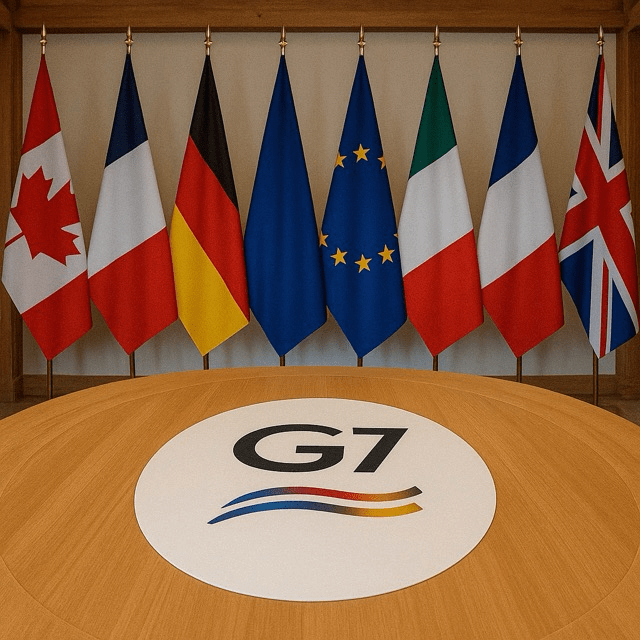
As the world hurtles deeper into the 21st century, the Group of Seven (G7) — once the undisputed command center of global economic and political direction — finds itself at a crossroads. The defining challenges of our time are no longer confined to economic cycles or regional crises. Climate change, geopolitical instability, and a fragmented global trade system now dominate the agenda. The question is no longer what the G7 will decide, but whether it still holds the power to decide at all.
A Legacy of Power
Formed in the 1970s as a forum for the world’s most advanced economies, the G7 includes the United States, Canada, United Kingdom, France, Germany, Italy, and Japan. Together, these nations shaped decades of global finance, security, and diplomacy. From debt relief to nuclear non-proliferation, their influence has been felt across every continent.
Yet, in recent years, the balance of power has shifted. The rise of China, the resurgence of Russia, and the assertiveness of nations like India, Brazil, and Indonesia signal a new multipolar world. The G7’s once-unquestioned dominance now contends with the expanding influence of the G20, BRICS, and regional blocs.
Climate Leadership or Climate Gridlock?
Climate change is arguably the most urgent and universal threat facing humanity. While G7 nations have led in financing green technologies and setting emissions targets, they are also historically the largest polluters. Developing countries have criticized the G7 for not fulfilling climate finance promises and for pushing green agendas that may hinder development.
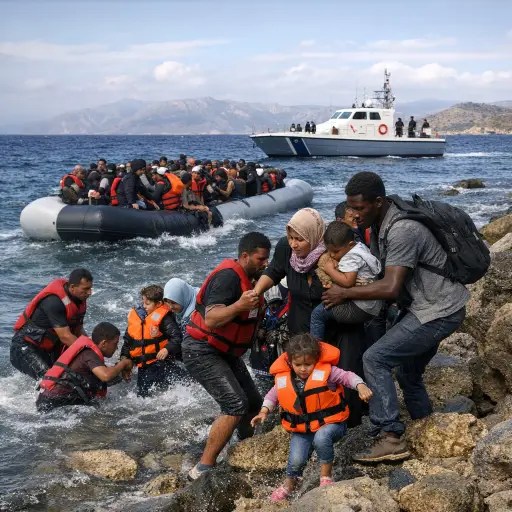
As sea levels rise and climate migration grows, the G7 faces a credibility test. Will it lead a just energy transition or remain mired in promises and delays? A successful climate agenda must include cooperation with emerging economies, innovation sharing, and tangible accountability mechanisms.
Peace and Security in an Unstable World
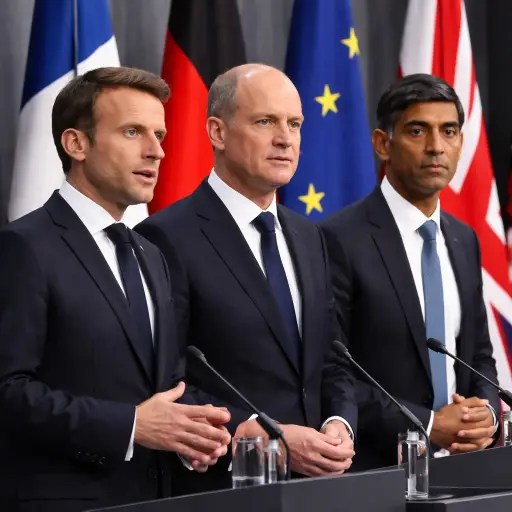
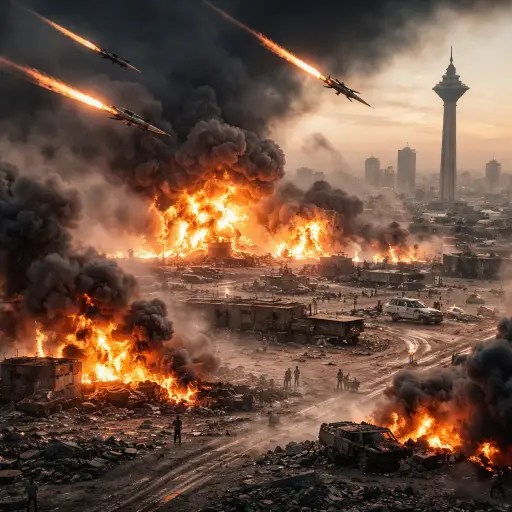
The G7 has long projected itself as a bastion of peace and democratic values. However, the war in Ukraine, tensions in the Indo-Pacific, and rising authoritarianism have exposed the limitations of its influence. Military support, sanctions, and diplomatic pressure have become primary tools, but they are reactive rather than transformative.
To shape a future of peace, the G7 must invest more in preventive diplomacy, multilateral peacekeeping, and post-conflict reconstruction. This also means reimagining partnerships with the Global South, where many conflicts — and solutions — reside.
Trade: From Globalization to Strategic Autonomy
Global trade, once a symbol of interconnected prosperity, is now marked by protectionism, supply chain disruptions, and a reorientation toward “strategic autonomy.” G7 economies are increasingly looking inward, seeking resilience over efficiency.
Trade policy in the future will likely be driven by technological standards, resource security, and ethical supply chains — from semiconductors to rare earth minerals. But to remain relevant, the G7 must not only adapt but also open up to voices outside its exclusive circle, including emerging market democracies and tech-driven economies.
Conclusion: A Seat at the Table or a Redesign of the Table?
The G7 is no longer the sole architect of the global order. Its future lies in evolving from a club of rich democracies to a convener of inclusive, agile, and cooperative governance. The issues of climate, peace, and trade demand not only leadership, but shared stewardship. Whether that means expanding its membership, reforming its mandate, or merging with other forums, one thing is clear: the G7 of the future must reflect the world it seeks to shape.
 The Tower Post