How Nicolás Maduro Consolidates Power Amid Crisis and Isolation
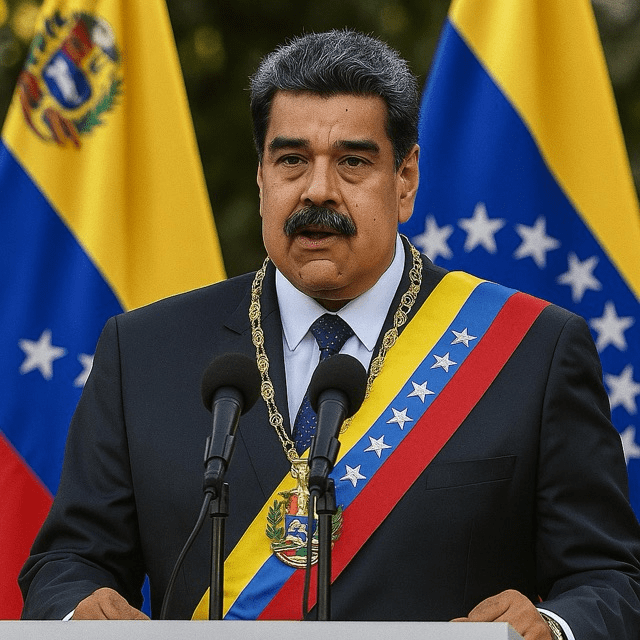
Nicolás Maduro, Venezuela’s embattled president, is often portrayed as a survivor — a man who has defied economic collapse, international sanctions, political isolation, and internal dissent to retain power. Yet increasingly, observers of Venezuelan politics describe him with a different metaphor: that of a modern emperor. Maduro’s rule, once viewed as an interim chapter following Hugo Chávez’s death, has hardened into an enduring autocracy.
### From Successor to Supreme Ruler
Initially seen as Chávez’s loyal heir, Maduro rose to power in 2013 under a cloud of skepticism. Many believed he lacked his predecessor’s charisma and ideological force. But over time, Maduro consolidated his rule through a combination of military loyalty, judicial manipulation, and the suppression of political opponents. The 2018 elections, widely condemned as fraudulent, marked the full transformation of his government into an authoritarian regime.
Under Maduro, the National Assembly was sidelined, opposition leaders jailed or exiled, and the judiciary stacked with loyalists. His regime has used state media, social welfare programs, and occasional symbolic gestures to maintain support among core segments of the population, even as millions have fled the country due to poverty and repression.
### Surviving Sanctions and Economic Collapse
Venezuela’s economy has contracted by over 75% since 2013, making it one of the most severe economic collapses in modern history. Hyperinflation, shortages of food and medicine, and mass migration have defined daily life. Despite this, Maduro remains in power. How? Through a combination of informal economic reforms, including dollarization, oil smuggling, and new trade routes with allies like Iran, Russia, and China.
The regime has also leveraged the lifting of partial sanctions for political leverage, temporarily increasing oil production to secure hard currency. Meanwhile, informal markets and remittances from the Venezuelan diaspora have kept parts of the economy afloat.
### The Illusion of Normalcy
In recent years, Maduro has attempted to project an image of stabilization. Shops in Caracas are better stocked, luxury goods are on display, and infrastructure projects have resumed — but critics argue this façade benefits only a small elite. For most Venezuelans, the reality remains one of hunger, power outages, and fear.
Internationally, efforts to hold free and fair elections continue to be blocked or delayed. Maduro engages in dialogue with the opposition under international pressure, only to undermine agreements through parallel institutions or judicial maneuvers.
### Conclusion: An Empire of Survival
Maduro’s Venezuela resembles an empire of survival — not built on expansion, but on endurance. His grip on power is not rooted in popular legitimacy, but in control of the military, the courts, and the narrative. As presidential elections loom, the world watches to see whether Venezuela will finally turn a page or whether its last “emperor” will reign further into the future.
 The Tower Post