How Moscow’s cool confidence and a shifting power dynamic leave the U.S. president playing on Putin’s chessboard
Introduction
When President Donald Trump called Vladimir Putin “absolutely crazy” for unleashing the biggest drone‑and‑missile barrage of the Ukraine war yet, the Kremlin responded with a half‑smirk. Putin’s spokesman, Dmitry Peskov, brushed off the insult as a case of “emotional overload” and thanked Washington for its ongoing role in peace talks. It was classic Moscow realpolitik: signal disdain, claim the moral high ground, and quietly project confidence that Trump’s rhetorical fireworks would burn out on their own.
1. The Confidence Game
Since Russia’s full‑scale invasion of Ukraine in early 2022, the Kremlin has calibrated its messaging toward Trump with surgical precision. When the U.S. president floats tougher sanctions or air‑defence aid for Kyiv, Russian state media amplifies his frustration to depict him as reactive and unsteady. When he proposes grand summits in neutral capitals or broaches a cease‑fire, Moscow praises his “constructive spirit,” reinforcing the notion that real progress is possible only on Putin’s terms. The pattern underscores a wider reality: the Kremlin isn’t afraid of Trump because it believes it understands him.
2. Inside Putin’s Playbook
For Vladimir Putin, Trump has always been less adversary than opportunity. In the former reality‑TV star he sees an impulsive negotiator who craves splashy deals and mutual respect. Those traits make Trump predictable. Moscow’s propagandists cast the U.S. president as a burdened peacemaker who fights the Pentagon hawks and Europe’s sceptics just to get Putin to the table. Every time Trump lashes out—calling the Russian leader “deranged,” warning he is “playing with fire” or blaming him for stalling peace—Kremlin officials shrug, insisting these are mere mood swings in an otherwise valuable interlocutor.
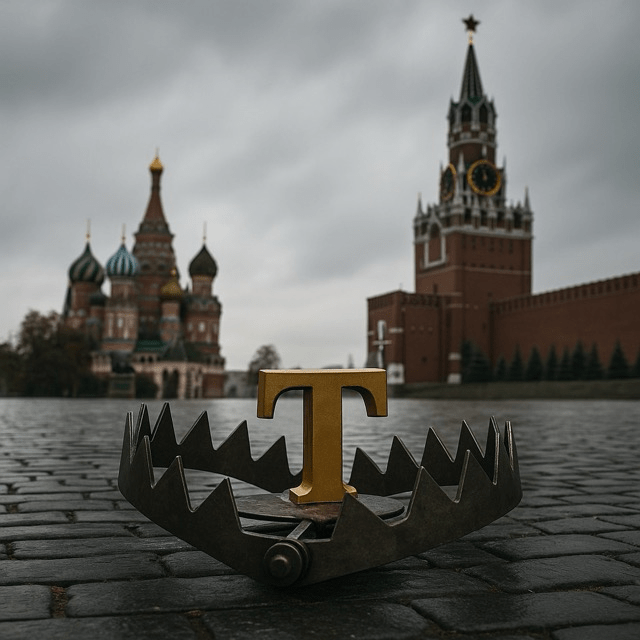
3. A Trap of Expectations
That studied nonchalance is itself a trap. Trump’s domestic critics often accuse him of being soft on Russia, but Putin’s subtler goal is to keep Trump invested in the illusion that a personal breakthrough is always within reach. The more the American president believes the relationship hinges on his unique chemistry with Moscow, the more likely he is to neglect broader Western consensus or Ukrainian agency. Each diplomatic feint—whether a vague promise of talks in Geneva or the Kremlin’s feigned support for a Vatican summit—tightens the narrative that Trump, not NATO, is the indispensable dealmaker.
4. The Weaponised Waiting Game
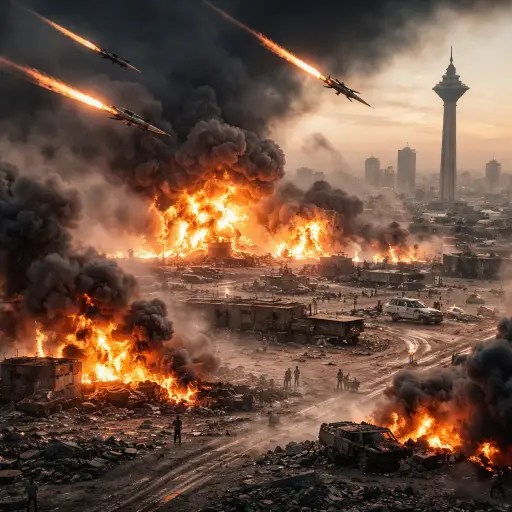
On the battlefield, Russia grinds forward with new drone technology and targeted offensives designed to outlast Western patience. Politically, the Kremlin signals magnanimity, as when it thanked Trump for “assistance” in kick‑starting negotiations even while its war‑machine fired 900 drones and 69 cruise missiles in a single weekend. Moscow’s message to the world: we endure; Trump fumes. As long as Russian troops keep their momentum and Washington’s resolve wavers, time itself becomes a strategic weapon—one that costs Putin little and forces Trump to choose between escalation and face‑saving compromises.
5. Domestic Pressures on Trump
At home, Trump’s political calculus is equally fraught. Republican lawmakers who once echoed his hands‑off posture toward Ukraine have begun drafting bills that would slap tariffs on importers of Russian energy and speed more Patriot batteries to Kyiv. Hawkish senators call the Kremlin’s drone blitz a test of American credibility. The longer Putin drags out peace talks, the more Trump risks looking weak to voters who equate toughness with tangible results. That vulnerability plays directly into Putin’s strategy: lure Trump toward unilateral concessions, then bank them as precedent for the next round.
6. Europe Watches—and Worries
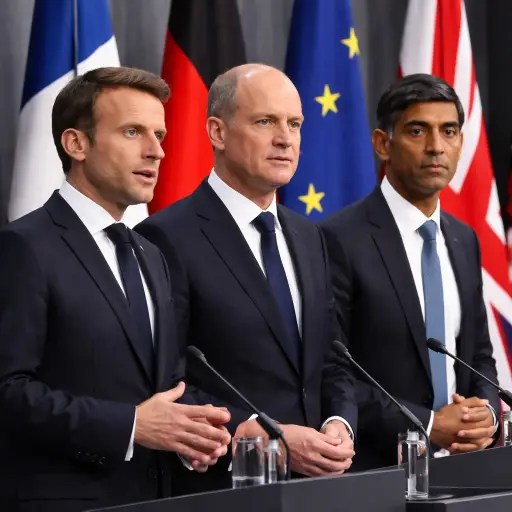
European leaders, too, read the Kremlin’s body language. Berlin, Paris and London have quietly loosened restrictions on Ukrainian use of long‑range missiles, hedging against the uncertainty of Trump’s next move. They do not share the Kremlin’s confidence; they fear it. If Moscow senses that Trump’s red lines are as movable as his moods, Putin will push harder—not out of desperation but from an assessment that the window for favourable concessions may never be this wide again.
Conclusion
The paradox of Trump’s relationship with the Kremlin is that his anger reinforces Moscow’s poise. Every fiery tweet or ad‑libbed threat is met with calculated calm, feeding the narrative that Russia, not the United States, is the adult in the room. Whether the Ukraine war drags on or limps toward a cease‑fire, Putin calculates he will emerge stronger if Trump remains wedded to a personal diplomacy that ultimately serves Russian interests. The trap is already sprung: the question now is whether Trump, in chasing the deal of the century, even realises he is caught.
 The Tower Post