How overreach, backlash, and political fatigue are shrinking the cultural space for hyper‑identity activism
Introduction
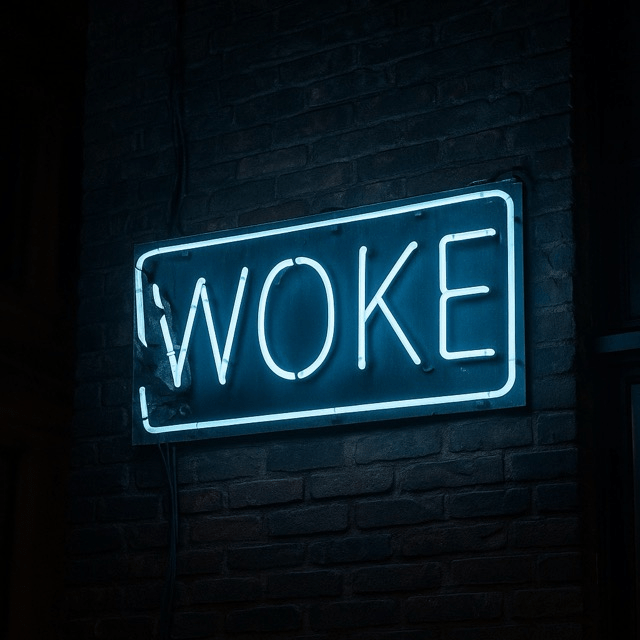
A decade ago, “wokeness” was an energising call to recognise systemic injustice. By 2025 the term has curdled into a punch‑line for critics and a source of strategic doubt even among former champions. From corporate boardrooms to university quads, ideological maximalism appears to be colliding with economic reality, electoral arithmetic and movement fatigue. This article examines why some analysts now speak of a “slow‑motion suicide” of woke ideology—the process by which overextension erodes the very coalitions that made it powerful.
1. Origins: From Hashtag to Hegemony
‘Woke’ emerged in African‑American vernacular as shorthand for being alert to racism. The murder of George Floyd in 2020 propelled the term into global consciousness. Companies issued solidarity statements; universities revamped curricula; politicians adopted anti‑racism pledges. Within two years, however, the ethos expanded beyond race to encompass gender self‑ID, indigenous land acknowledgments, de‑colonizing math, and more. What began as moral awakening risked turning into litmus‑test governance.
2. The Overreach Problem
Social scientists highlight **goal‑displacement**: when movements achieve early wins, radicals raise the bar to maintain urgency. Case in point: corporate diversity departments pivoted from anti‑bias training to recommending racial affinity spaces—policies critics likened to voluntary segregation. Voting‑rights groups opposed voter‑ID compromises popular among minorities. Each expansion sparked centrist unease, narrowing the movement’s consent base.
3. Electoral Backlash
Ballot boxes offer blunt accountability. In the United States, Virginia’s 2023 gubernatorial race hinged on parents’ revolt against perceived ideological intrusion in schools. Sweden’s 2022 election delivered gains for the right‑wing Sweden Democrats after debates about ‘woke cancel culture’ in media. Even centre‑left leaders now plead for moderation: British Labour’s Keir Starmer ordered MPs to avoid identity language that alienates blue‑collar voters, warning that culture war skirmishes can derail economic agendas.
4. The Corporate Reset
Executives who once chased ESG accolades face shareholder lawsuits over falling returns. Disney’s abrupt retreat from some DEI‑branded programming, Netflix’s updated culture memo telling staff to tolerate content they dislike, and Spotify’s downsizing of social‑impact teams all signal a pivot. According to consultancy Edelman Public Policy, 62 percent of U.S. Fortune 500 firms quietly rolled back high‑profile equity pledges between 2021 and 2024. Boards now weigh reputational risk against accusations of ‘green‑or‑rainbow washing’.
5. Academic Pushback
Universities once incubated woke frameworks; they are now grappling with speech‑rights litigation and donor revolts. Last year the University of Chicago created a ‘Forum for Free Inquiry’ to counterbalance class‑based activism. A Stanford Law student sued the school after being suspended for refusing to attend mandatory ‘positionality’ workshops. Meanwhile, faculty surveys show rising concern that ideological orthodoxies stifle research on genetics, policing, or geopolitical security.
6. Activists in Retreat—or Re‑Tooling?
Not all signs point to demise. Movements adapt: climate activists rebranded pipeline protests as energy‑security campaigns post‑Ukraine invasion; trans‑rights groups now emphasise healthcare access over pronoun policing. Yet the trend line is clear: slogans that once drew mass sympathy (‘Defund the Police’) are quietly shelved for incremental reform language (‘Re‑imagine Public Safety’). As political scientist Yascha Mounk notes, social change often stabilises after radical flank effects scare moderates back to centrist coalitions.
7. What Comes Next?
Most experts expect neither total victory for anti‑woke crusaders nor a restoration of pre‑2020 norms. Instead, a pragmatic hybrid may emerge: diversity efforts tied to performance metrics, academic freedom policies coexisting with targeted inclusion grants, and legislation that balances parental rights with anti‑discrimination statutes. In short, the pendulum rarely stops in the middle, but its swings narrow over time.
Conclusion
Calling woke ideology’s current crisis a “suicide” captures the sense that internal excess, not external attack, has caused much of the recoil. Movements that expand faster than they persuade risk collapsing under their own contradictions. Yet history suggests elements will survive, tempered by backlash and integrated into mainstream policy. Whether this evolution marks maturity or capitulation depends on one’s vantage point. Either way, the era when ‘woke’ served as an all‑purpose moral sledgehammer appears to be ending—by its own hand as much as by its foes’.



 The Tower Post