French threats of sanctions and a renewed push for Palestinian statehood provoke an unprecedented clash with Jerusalem
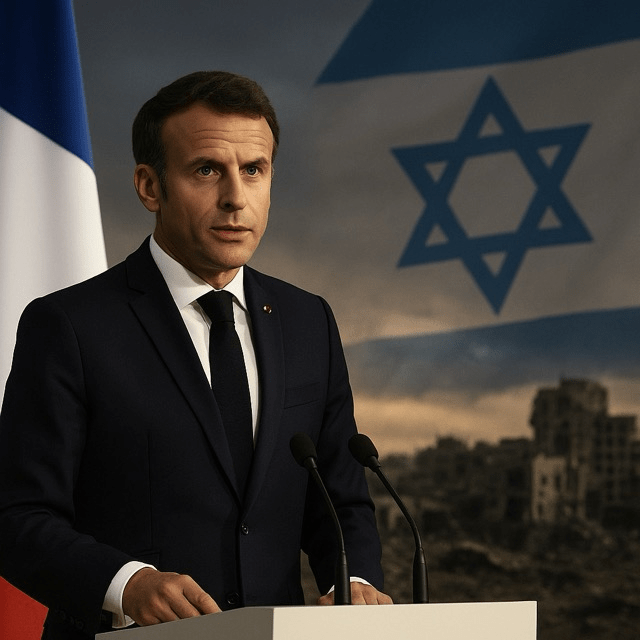
May 30, 2025—Speaking in Singapore at the end of a five‑nation Asia tour, French President Emmanuel Macron declared that Europe must “harden its stance” on Israel if the humanitarian catastrophe in Gaza persists, floating the prospect of targeted sanctions on Israeli officials and reiterating that recognition of a Palestinian state is “both a moral duty and a political necessity.” (Reuters, Politico, Al Jazeera).
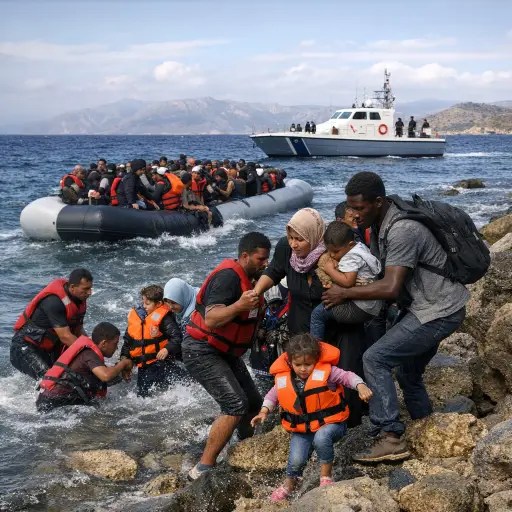
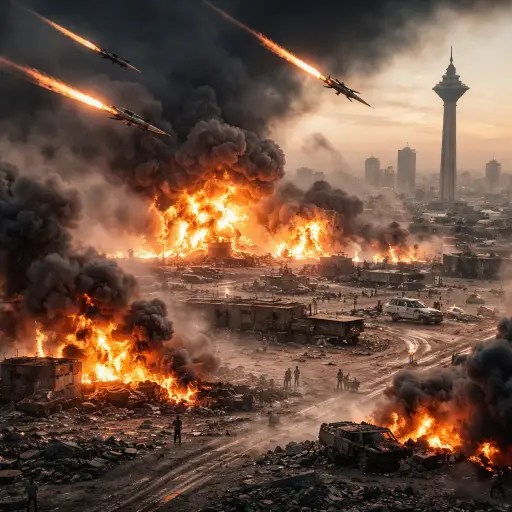
Macron’s comments followed fresh United Nations warnings that the entire population of Gaza now teeters on the edge of famine. In the same 24‑hour window, Israel intensified operations around Rafah, displacing more than 600,000 people in six weeks. The French leader called the blockade “untenable,” arguing that aid convoys brokered by a U.S.–Israeli private consortium had delivered “more press releases than calories.” (Financial Times, May 30, 2025).
Although Paris has long supported a two‑state solution, the tone of Macron’s remarks represented a qualitative shift: for the first time a permanent member of the U.N. Security Council threatened concrete penalties unless Israel altered course. Within hours Jerusalem’s Foreign Ministry blasted Macron for launching a “crusade against the Jewish state,” accusing him of rewarding “jihadist terrorists” and hinting at reciprocal diplomatic measures. (Times of Israel, France 24, Jerusalem Post).
The rhetorical barrage capped months of friction. Macron first angered Israeli officials in February 2024 when he joined U.S. President Joe Biden in urging Israel to pause its Rafah offensive, warning of a looming “bloodbath.” While Paris continued arms‑export licensing to Israel on a case‑by‑case basis, the Élysée tightened parliamentary reporting requirements and backed International Court of Justice proceedings on the legality of occupation policies.
Privately, French diplomats say the Gaza war has become “the Quai d’Orsay’s Vietnam”: a litmus test for global south sentiment and European credibility. Macron—eager to position France as the EU’s strategic conscience after Britain’s exit—views the conflict as an opportunity to demonstrate that Europe can act independently of Washington. Aides point to polling showing that 71 percent of French voters support an immediate cease‑fire and 58 percent back recognizing Palestine, numbers that give the Pr… Doing nothing, one adviser said, risks ceding moral leadership to Madrid and Dublin, which formally recognized Palestine in March.
Israel, meanwhile, framed Macron’s threat as meddling. Prime Minister Benjamin Netanyahu’s office issued a terse statement saying “the true obstacle to peace is French appeasement of Hamas,” while Knesset speaker Amir Ohana proposed a motion to reassess bilateral science‑and‑tech accords worth €1.2 billion. Israeli commentators close to the government warned that France might be shut out of future collaborations on EastMed natural‑gas infrastructure.
Yet not all voices in Jerusalem were dismissive. Former Israeli foreign minister Tzipi Livni argued in Haaretz that “France is voicing what many Europeans think … Israel should heed the warning.” Inside Israel’s security establishment, concerns have grown that an EU pivot led by France could jeopardize access to critical spare parts for Rafale jet engines jointly manufactured with French firms.
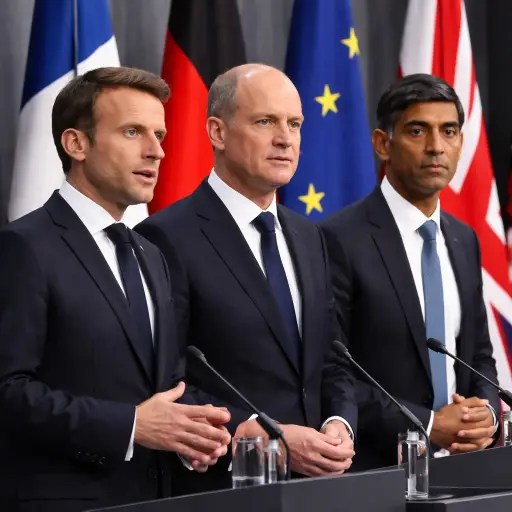
Within the European Union, Macron’s gambit has scrambled alliances. Germany, historically reluctant to criticize Israel, signaled it would “examine” the sanctions option if humanitarian corridors remained blocked, while Poland and Hungary called the proposal “irresponsible.” EU High Representative Josep Borrell is expected to circulate draft conclusions at next week’s Foreign Affairs Council that echo Macron’s language on Palestinian statehood, though unanimity remains elusive.
The United States struck a delicate balance. Secretary of State Antony Blinken welcomed “robust European engagement” but stopped short of endorsing penalties, saying Washington still believes “quiet, intensive diplomacy” offers the best chance to secure a multistage cease‑fire proposal under discussion in Doha and Cairo. Analysts note that a transatlantic split could complicate not only Middle East policy but also joint efforts to deter Russia in Ukraine.
For Macron the stakes are personal and geopolitical. His 2022 re‑election campaign cast him as a deal‑maker capable of “strategic autonomy” from the U.S. Today he is betting that moral clarity resonates more than realpolitik. Critics at home accuse him of staging a foreign showdown to distract from domestic protests over pension reform and grain‑farmer subsidies, but supporters argue that upholding humanitarian norms is central to France’s international identity.
The path forward is uncertain. If Israel eases the blockade and allows U.N. agencies to distribute aid, Macron could declare victory without imposing sanctions. If not, the Élysée would have to convince at least fourteen EU partners to adopt restrictive measures—no easy feat. Either way, the diplomatic clash has re‑drawn the map of Middle East diplomacy: Paris has emerged as the loudest Western critic of Israel’s Gaza strategy, and Jerusalem must now decide whether to engage, retaliate, or ride out t…
What began as sharp words over humanitarian corridors has widened into a fault line that could reshape Europe’s role in the conflict. As Gaza’s children ration bread crumbs and European chancelleries weigh censure, the question is no longer whether Macron will act—but whether Israel believes it can withstand an increasingly united international front.
 The Tower Post