Elon Musk’s ‘Department of Government Efficiency’ promised disruption but delivered bedlam—irritating even Trump insiders
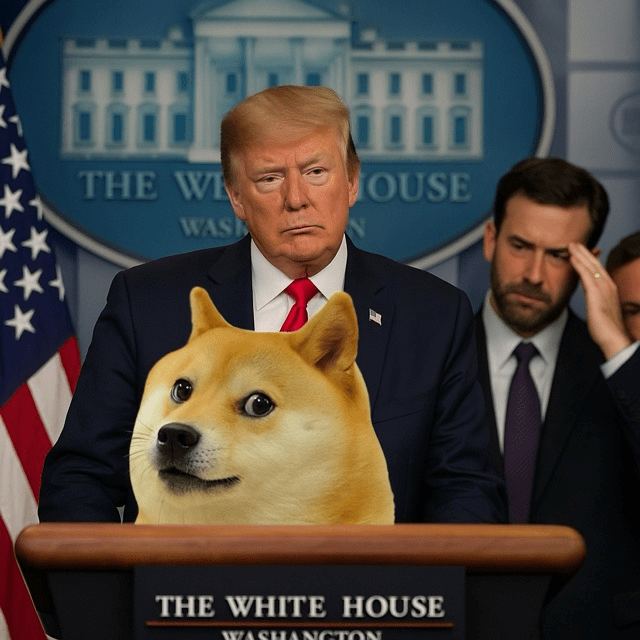
Washington, D.C. | 31 May 2025 — When President Donald Trump swore in Elon Musk as “chief disrupter” of the freshly minted Department of Government Efficiency (DOGE) last Christmas, aides joked that the billionaire would run government the way he launches rockets—loudly, rapidly, and with debris. Four frenetic months later, the acronym doubles as epitaph: the agency is shuttered, procurement audits are pending, and career civil servants still flinch at the sight of Shiba‑Inu stickers.
DOGE’s charter sounded simple: embed tech talent inside every major department and slash process times by 50 percent within 60 days. Recruiting posters featured the meme‑dog wearing aviators above the slogan “SUCH GOV, MUCH WOW!” Two hundred engineers and self‑styled ‘bureaucracy hackers’ answered the call, many fresh from SpaceX or Boring Co.
Reality bit quickly. At the Department of Transportation, DOGE operatives demanded super‑user access to rail‑safety databases, then tried to push real‑time edits to production servers via public GitHub repos. Cyber‑security staff said no; DOGE threatened a live‑streamed expose on X. Meanwhile at the Environmental Protection Agency, a team deactivated an emissions reporting portal they considered redundant—accidentally putting thirteen states out of Clean Air Act compliance for 36 hours.
Internal e‑mails obtained by *The Federal Ledger* show mounting panic. One EPA lawyer wrote: “They are like toddlers with bolt‑cutters—please advise.” White House counsel scrambled to discover where DOGE code lived, only to learn much of it sat on private Starlink nodes in Hawthorne, California, beyond standard federal backup.
By February, frustration had seeped into the West Wing. Jared Kushner, a key champion, privately warned that DOGE was “drinking the administration’s political oxygen.” Press Secretary Sarah Huckabee Sanders spent nightly briefings clarifying that Musk’s 2 a.m. tweet—“Turning IRS into iRefund Service, same‑day payouts!”—was “aspirational, not policy.”
Not everything flopped. A pilot with the Federal Railroad Administration cut bridge‑repair permits from 26 months to 18 days, and a Veterans Affairs hospital in Phoenix trimmed its appointment backlog by adopting DOGE’s queueing algorithm. But such wins drowned in spectacle. On 14 March, developers swapped every *.gov favicon with a wagging‑tail doge icon, triggering a DHS cyber alert.
Financial oversight proved the final straw. Treasury discovered DOGE had ordered US $11 million in high‑end workstations via a vendor recommended in a Signal chat—circumventing the General Services Administration. The inspector‑general is now probing possible Antideficiency Act violations.
The coup de grâce arrived 24 April when Musk unveiled ‘Real‑Estate‑on‑Mars,’ an NFT auction platform for surplus IRS buildings. House Ways and Means chair Jason Smith threatened to pull a pending tax‑extender package unless “this crypto carnival ends.” Two days later, Trump issued a terse statement: “Mission accomplished—DOGE dissolved effective immediately.”
Agencies are still counting the cost. The Office of Management and Budget estimates US $3 million in data‑recovery contracts; the EPA faces potential litigation over the emissions‑reporting blackout. Yet some legacy systems are moving cloud‑ward faster, and Congress is drafting bipartisan safeguards for any future ‘innovation agencies.’
Whether DOGE will be remembered as bold experiment or cautionary meme, one truth lingers in Washington’s marbled halls: disruption without guardrails may bark loudly, but it bites hardest the bureaucracy you hope to save.




 The Tower Post